Wildlife Species Most Likely To Settle Near Human Activity
Animals That Turn Buildings Into Year-Round Habitat
As communities expand and natural landscapes continue to intersect with neighborhoods, commercial properties, and industrial sites, many different critters have become remarkably skilled at living close to people. Human-made structures often provide the same basic necessities animals seek in nature, including shelter, protection, and access to resources. For certain species, buildings can be even more appealing than traditional habitat areas.
A structure offers dependable cover from rain, snow, wind, and temperature extremes. Unlike exposed nesting locations in trees, brush, or underground burrows, enclosed spaces inside buildings tend to maintain more stable conditions throughout the year. This consistency can be especially valuable during harsh weather periods and seasonal changes.
Another reason critters gravitate toward developed properties is the reduced threat from predators. Elevated locations, enclosed cavities, and hidden spaces can be difficult for larger predators to reach. Wildlife naturally seeks locations where offspring can be protected and where daily activity can occur with limited disturbance.
Food and water also play an important role. Residential and commercial properties frequently contain gardens, fruit-bearing trees, garbage containers, pet feeding stations, bird feeders, drainage areas, and decorative water features. When shelter and resources exist within a relatively small area, wildlife often discovers that remaining nearby requires far less effort than traveling long distances between necessities.
The Most Common Areas Critters Use Inside Structures
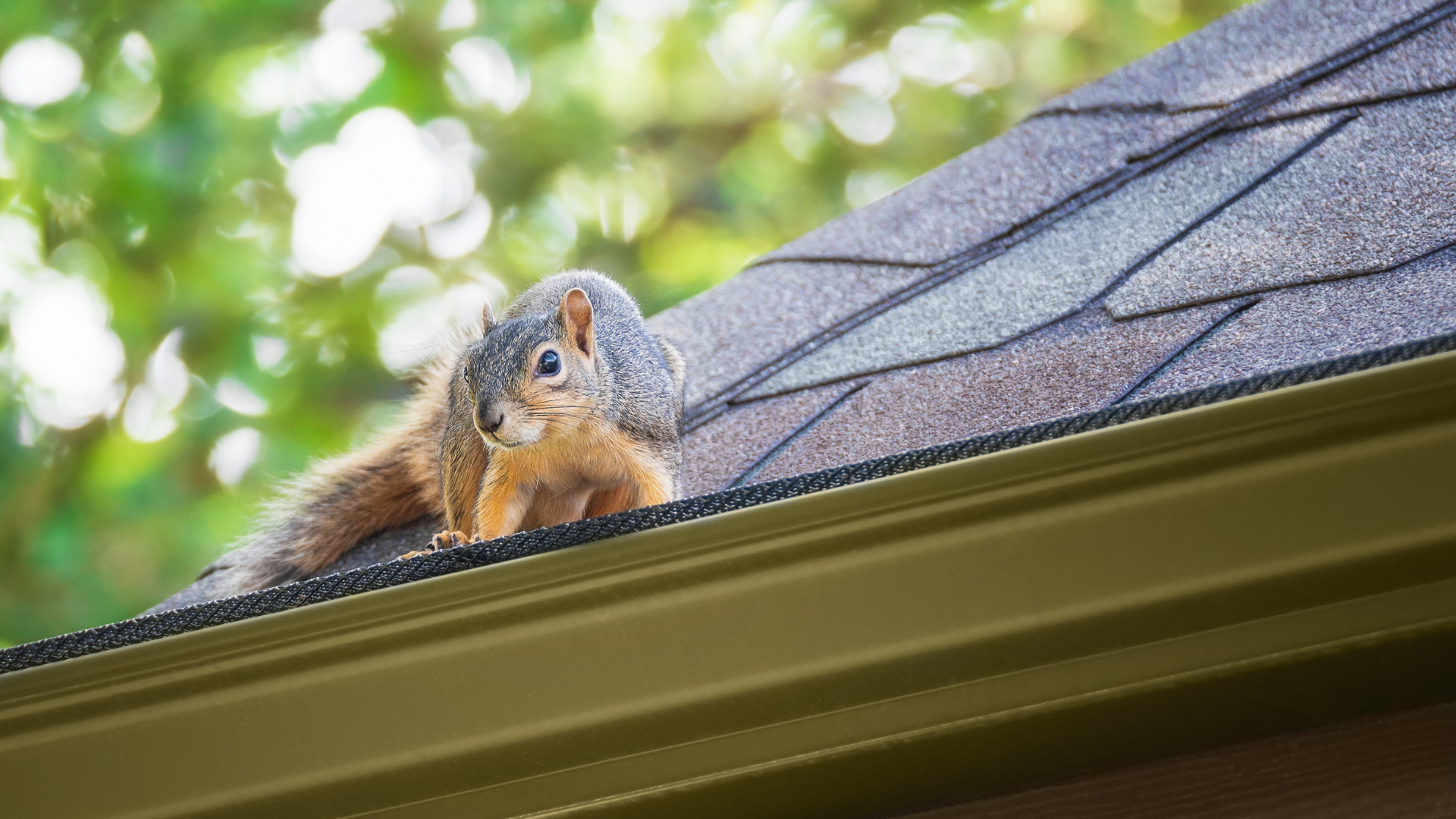
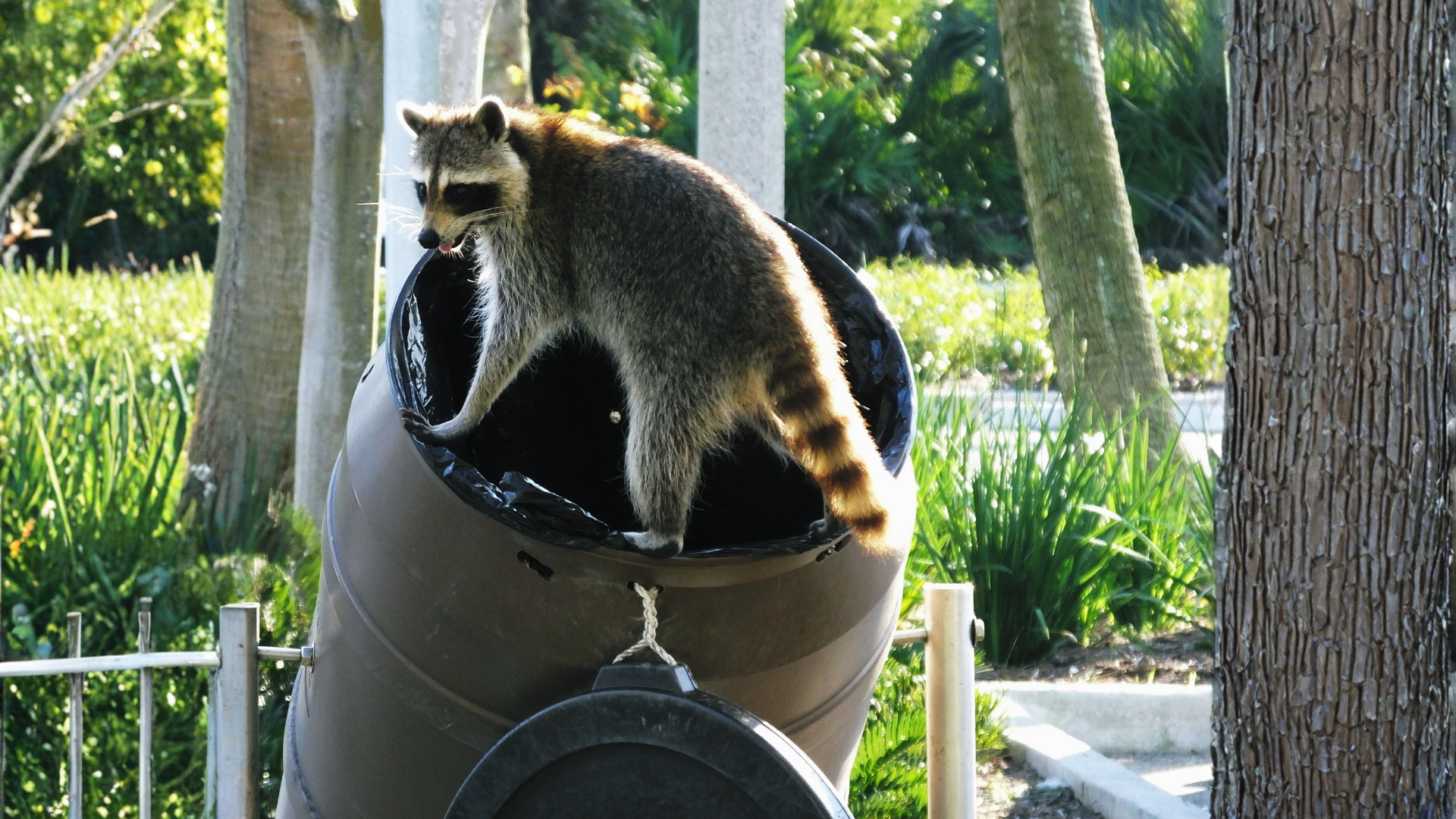
Attics are among the most desirable locations for many species. These spaces are typically warm, dry, elevated, and relatively quiet. Human activity in attics is often infrequent, creating an environment where animals can rest, nest, and raise young with limited interruptions. Squirrels commonly enter attics through roofline gaps or damaged soffits. Raccoons are also known for seeking attic shelter, particularly during breeding seasons. Bats frequently gather in attic spaces where temperatures support colony development, while certain bird species may gain access through vents or openings around roofing materials.
Crawlspaces serve a very different purpose but are equally attractive. Located beneath structures, these areas offer darkness, concealment, and moderate temperatures. Many animals are drawn to crawlspaces because they resemble natural dens. Opossums often seek shelter beneath homes, while skunks may establish resting areas in secluded sections of a crawlspace. Rodents are especially adept at using these locations as travel corridors and nesting sites. Feral cats may also take advantage of protected spaces beneath structures, particularly during colder periods.
Chimneys create another appealing habitat. To wildlife, a chimney can resemble a hollow tree cavity. The vertical design, enclosed walls, and elevated position make it attractive for nesting and resting. Birds frequently use chimneys during breeding periods, while raccoons may enter in search of a protected den site. Squirrels occasionally investigate uncapped chimneys as potential shelter locations. Once inside, animals may become trapped or establish nests that interfere with proper airflow.
Wall voids are among the least visible wildlife habitats within a building. These narrow interior spaces provide warmth, darkness, and minimal disturbance. Mice and rats commonly travel through wall cavities while searching for food or nesting areas. Squirrels sometimes gain access through exterior openings and move into hidden wall sections. Certain bird species may also find their way into wall spaces through construction gaps, creating activity that becomes noticeable through scratching, chirping, or movement sounds.
Species That Adapt Well To Human Activity
Detached structures such as garages, sheds, workshops, and storage buildings frequently attract wildlife because they combine easy access with reduced human traffic. Small openings around doors, roofing materials, and foundations can provide entry opportunities. Raccoons, opossums, rodents, and birds often take advantage of these locations when searching for temporary shelter or nesting space.
Some animals become long-term occupants of a property. Species that establish dependable shelter and reliable access to food may remain nearby throughout the year. These permanent residents benefit from familiarity with their surroundings and often return to the same locations repeatedly. In some cases, multiple generations may utilize the same structure if conditions remain favorable.
Other species are seasonal occupants. During breeding periods, colder weather, or times of environmental stress, wildlife may move into buildings for temporary shelter. Even when animals leave after a particular season, the same structure can attract new occupants during future years. This recurring pattern is one reason wildlife activity often appears predictable in certain neighborhoods.
Not every property experiences the same level of wildlife pressure. Food availability is one of the biggest factors influencing animal presence. Garbage containers, outdoor pet food, vegetable gardens, compost piles, fruit trees, and bird feeders can attract a variety of species. A property offering multiple food sources is often more appealing than one with limited resources.
Water availability also contributes to wildlife activity. Ponds, bird baths, drainage systems, retention areas, and consistently damp locations provide hydration opportunities. Even small water sources can encourage animals to remain nearby.
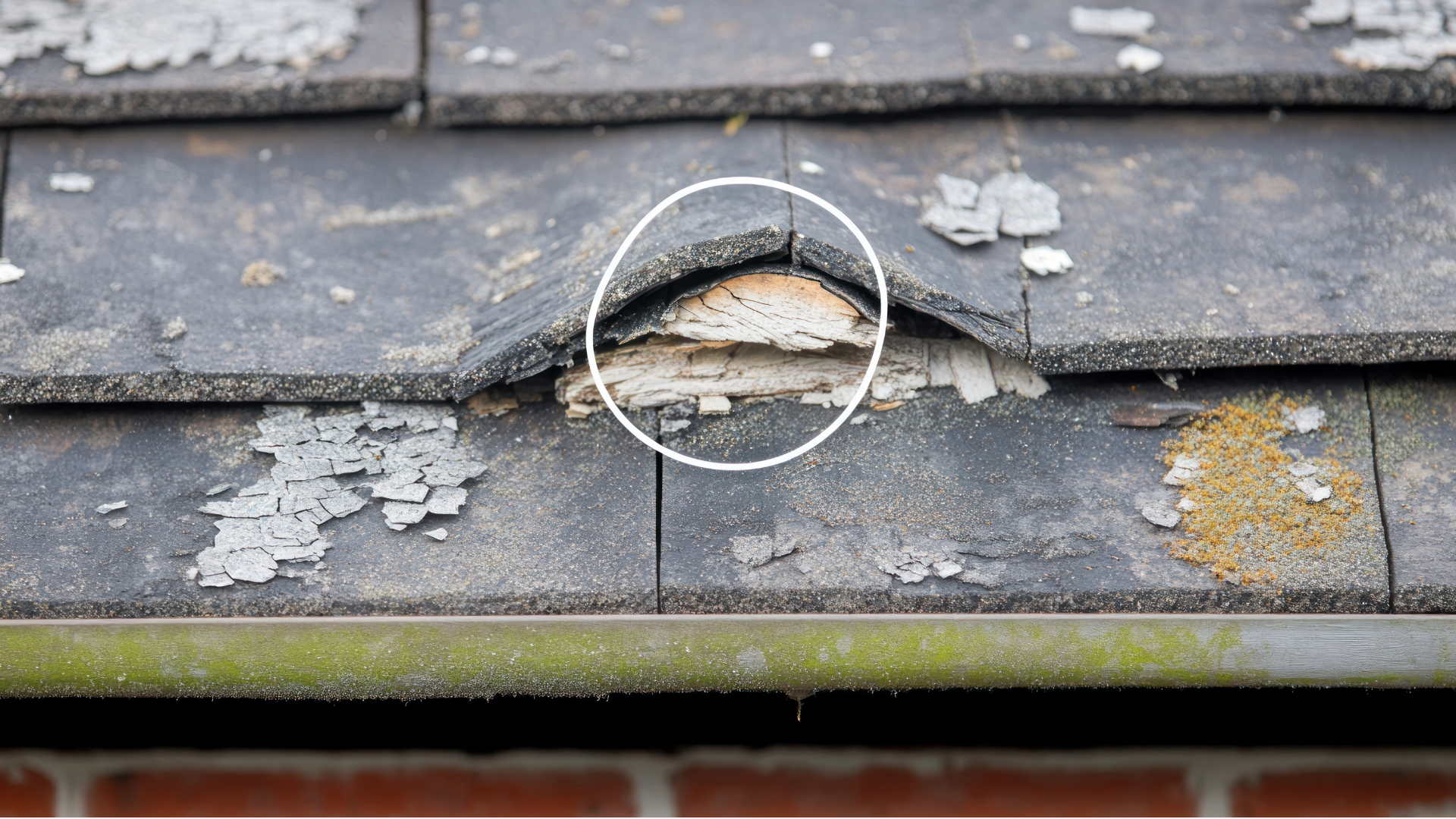
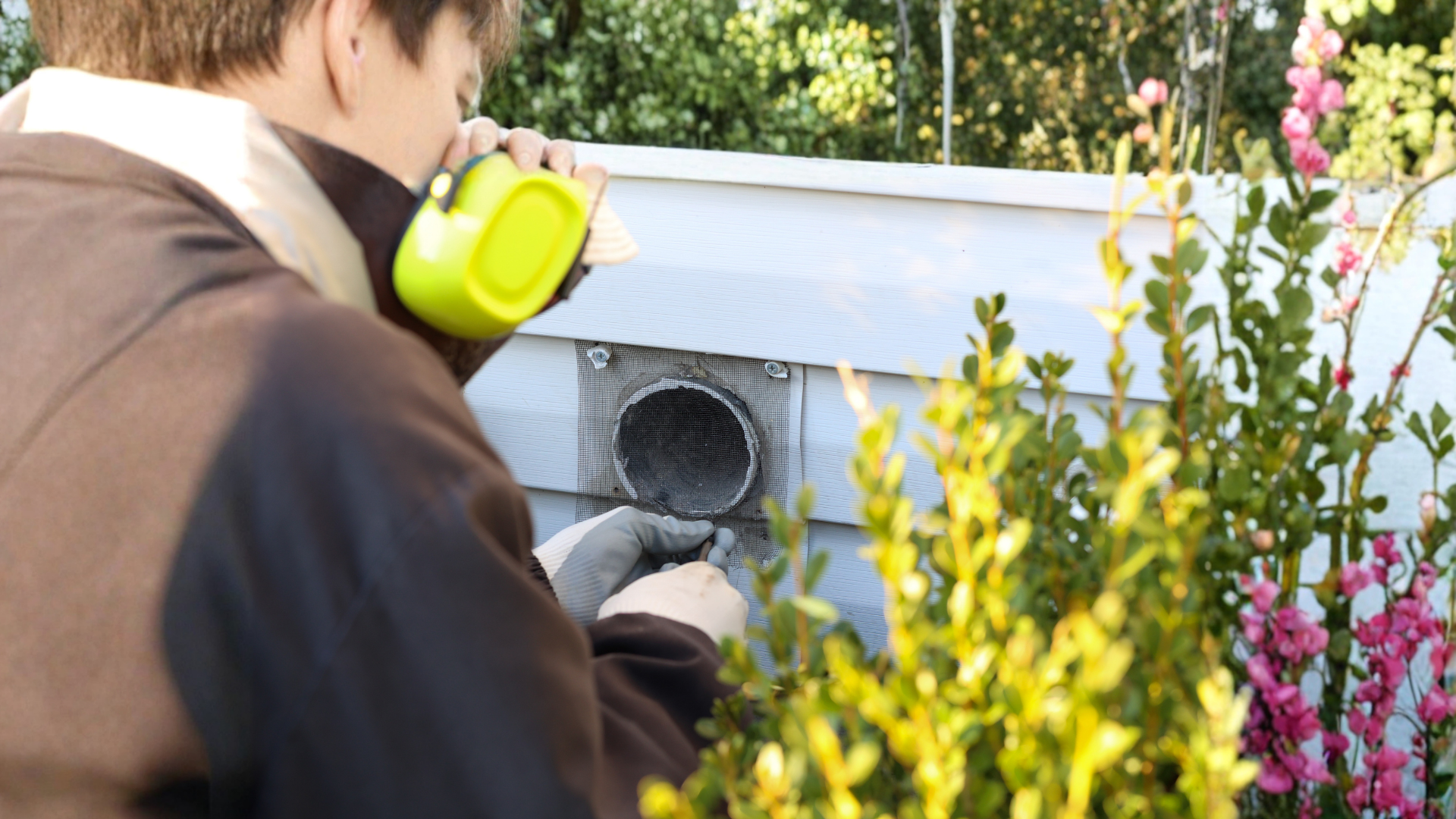
Entry opportunities are equally important. Small gaps, damaged vents, deteriorated roofing materials, loose siding, and openings around utility penetrations can create pathways into structures. Wildlife frequently investigates these vulnerabilities while searching for shelter.
How Critters Transform Buildings Into Long-Term Shelter
Once a structure has been infilrated, many species begin modifying the space to suit their needs. Nest construction is one of the most common examples. Animals often gather insulation, leaves, twigs, grass, paper products, and other materials to create protected nesting chambers. These nests help regulate temperature and provide concealment for young animals.
Wildlife activity inside buildings can create a range of challenges for property owners. Structural concerns often develop when animals alter insulation, chew building materials, or block ventilation pathways. Rodents are particularly known for gnawing on various materials as their teeth continue growing throughout their lives. Larger creatures can compress insulation, damage wood components, or create openings that allow additional wildlife access.
Noise is another common issue. Scratching sounds, movement above ceilings, activity inside walls, and vocalizations often become more noticeable during nesting periods. Some species are most active during nighttime hours, while others may generate noise throughout the day. These disturbances can quickly draw attention to hidden wildlife presence.
The continued expansion of developed areas has created additional opportunities for adaptable species. As natural den sites become less available in certain locations, buildings often provide alternative shelter. Wildlife has shown an impressive ability to adjust to changing environments and take advantage of new resources. This adaptability helps explain why many species continue thriving in close proximity to human populations.
Buildings provide many of the same advantages animals seek in natural habitats, including protection, concealment, and convenient access to food and water. Attics, crawlspaces, chimneys, wall voids, garages, and sheds can all become attractive shelter locations for a wide range of species. When wildlife begins occupying a structure, prompt attention can help prevent escalating property concerns. If you suspect animal activity on your property,
contact us today at Critter Detective for professional wildlife control and removal services tailored to your situation.