Why Repeated Wildlife Infestations Happen
Common Causes Of Recurring Animal Intrusions
The silence that follows a wildlife removal effort is often one of the most anxiety-inducing sounds a homeowner can hear. For a few weeks, the scratching in the ceiling ceases, the thumping in the crawlspace vanishes, and the property feels secure again. You might believe the issue is fully resolved because the immediate disturbance has ended. Perhaps some equipment that was placed was successful, or a one-way door did its job, and the intruder is gone for the moment. Yet, a month or two later, the familiar and dread-inducing noises return. This cycle is incredibly frustrating and leads many residents to believe they are simply unlucky or that their property is somehow a magnet for local fauna. While location plays a role, the recurrence of unwanted guests usually points to a specific procedural failure known as incomplete exclusion.
Removal is merely the initial phase of a much larger process. Taking an intruder out of the equation does not change the variables that allowed it to enter in the first place. If the focus remains solely on the creature itself, the physical structure of the building remains compromised. A residence is a complex system of vents, eaves, soffits, and foundations. Each of these components offers a potential weakness that wild species are expertly adapted to exploit. When an infestation repeats itself, it suggests that the actual door remains unlocked, or maybe a window was left ajar, metaphorically speaking. The problem is rarely the persistence of a single mammal, but rather the permanence of the vulnerability it discovered. Addressing the animal without addressing the building is a temporary fix for a permanent problem.
Understanding The Architecture Of Vulnerability
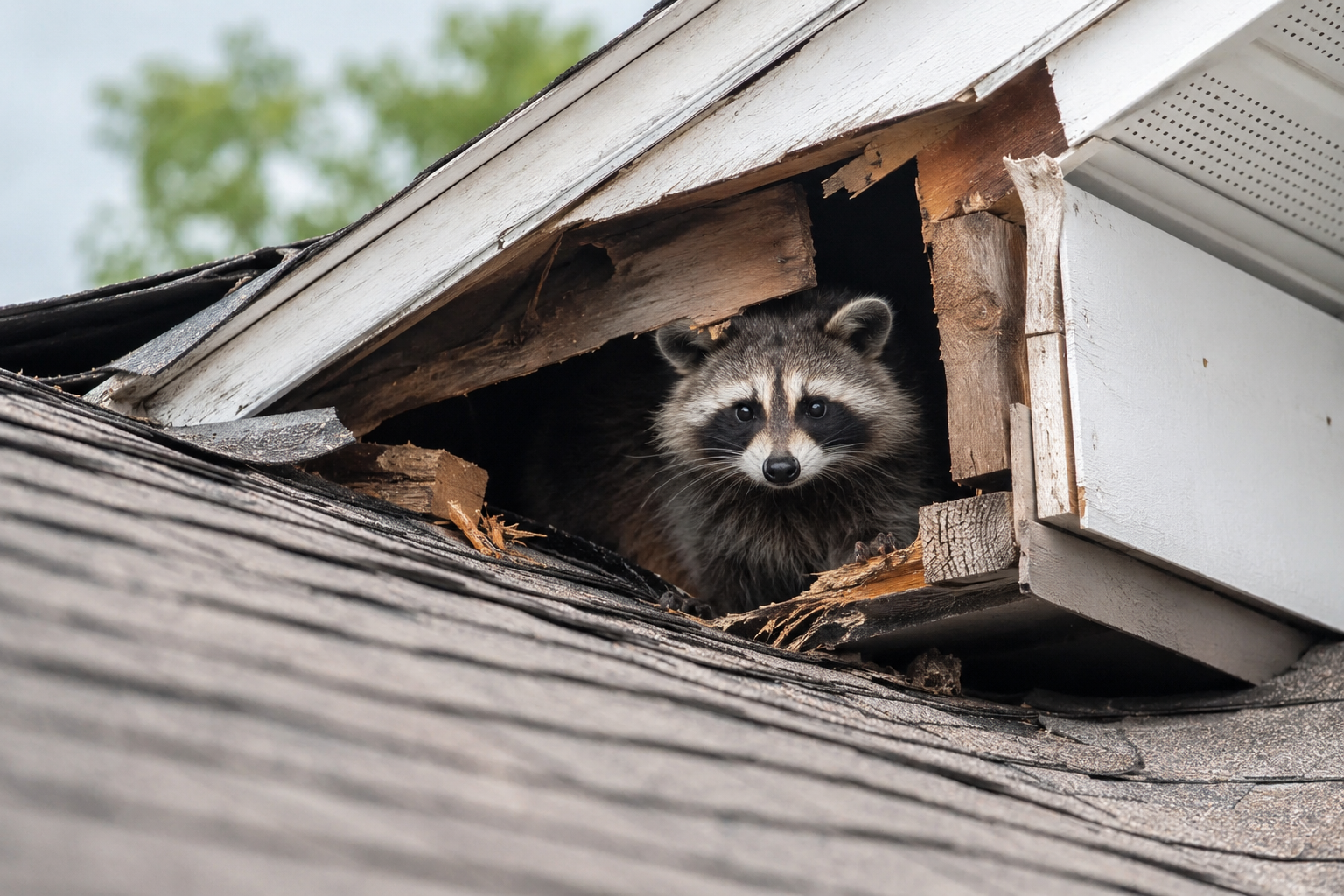
Most residential structures are not built with wildlife defense as a primary blueprint requirement. Builders prioritize aesthetics, water shedding, and insulation, often leaving the intersection where different building materials meet as a weak point. A roof return meeting a brick wall might look solid from the ground, yet up close, there could be a gap large enough for a bat or a squirrel to squeeze through. When exclusion efforts are performed hastily, the tendency is to seal the most obvious entry point while ignoring the secondary or tertiary weaknesses. This is a critical error because creatures do not view a house the way humans do.
If you seal the main hole but leave the surrounding architecture unfortified, the remaining population or new interlopers will simply shift their focus to the next available weak spot. A squirrel that finds its primary door blocked will investigate the adjacent fascia board. If that board is older or water-damaged, chewing a new opening requires little effort. Incomplete exclusion often involves patching a hole without reinforcing the surrounding area, resulting in a game of whack-a-mole where the homeowner chases the entry point across the roofline.
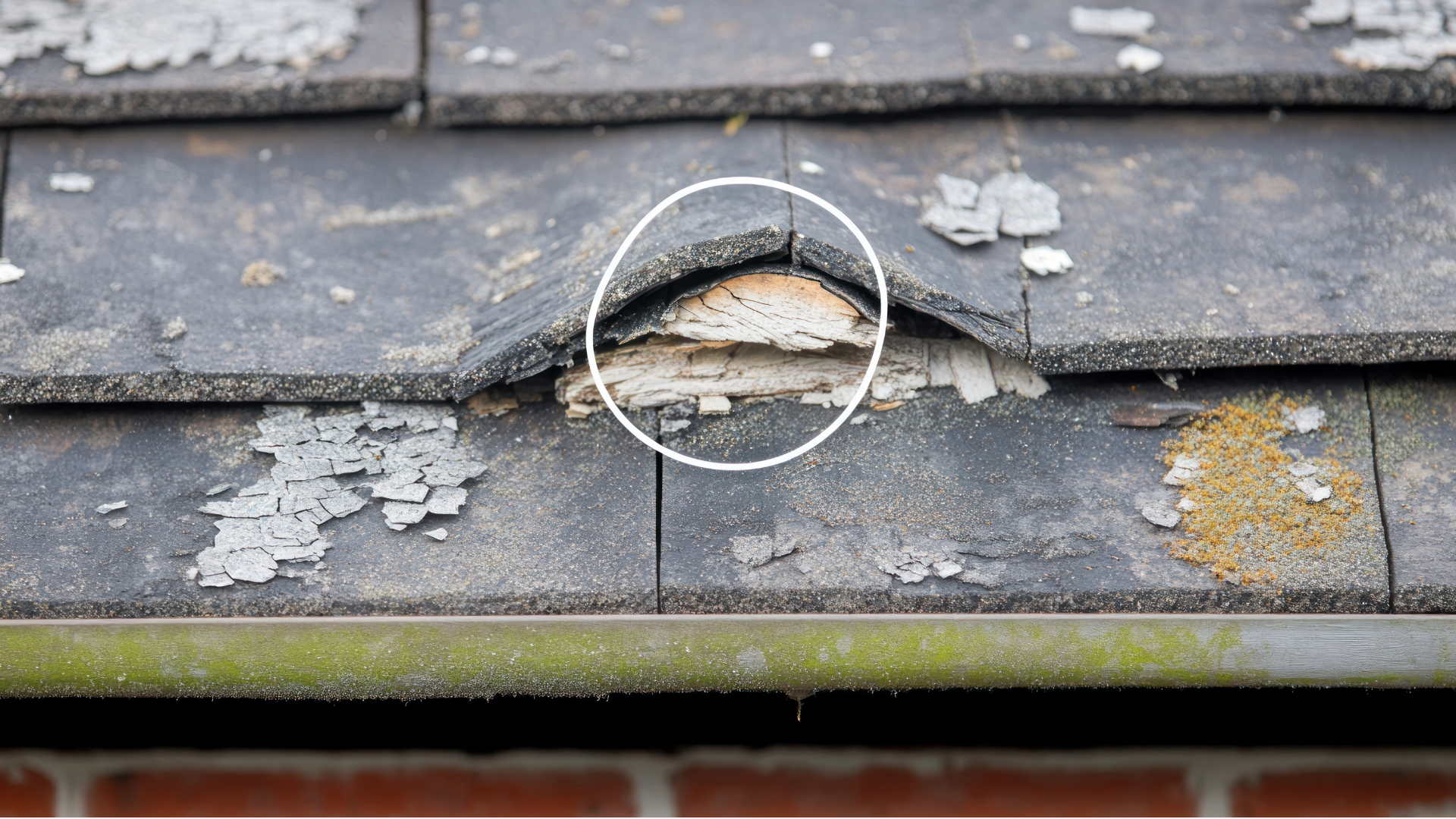
The architecture of a dwelling shifts with the seasons as well. Wood expands and contracts, and foundations settle over the years. A seal applied during the height of summer might pull away in the freezing temperatures of winter, creating a fresh opportunity for reentry. The geometry of a roof is particularly complex, with valleys and ridges that hide gaps from the untrained eye. Dormers, where the vertical wall meets the sloped roof, are notorious for having construction gaps hidden under shingles. An experienced intruder finds these flaws quickly.
The Persistent Pull Of Biological Markers
Biology works against the homeowner in powerful ways. When a wild creature establishes a den, it does more than just sleep there. It changes the environment on a chemical level. Animals leave behind pheromones, urine, and oils from their fur. These distinct scents serve as a beacon to other members of the same species. It signals that a specific space is habitable, warm, and likely free of predators. Even if the original occupant is gone, the scent trail remains potent for a long time.
This biological imperative is compounded by territorial memory and instinct. Many species are creatures of habit. If a raccoon was born in a specific attic, it may attempt to return to that same attic when it is ready to rear its own young. This drive is instinctual and relentless. An incomplete exclusion job that relies on flimsy barriers will not withstand the determination of a mother trying to reach a nesting site she remembers or smells. The barrier must be more than just a visual deterrent, it must be a physical fortress.
Communal denning behavior further complicates this issue. Some species, like flying squirrels or bats, utilize shared scents to locate winter gathering spots. If a colony is evicted but the entry points are not sealed with scent-blocking considerations, the remaining members of the colony that were out foraging will return and desperately try to get back in. They will exploit any weakness they can find near the original entry point.
Material Failure And Environmental Stress
The choice of materials used to seal a home is just as important as identifying the entry points. A common reason for failure is the use of products that degrade rapidly when exposed to the elements or the determination of a sharp-toothed rodent. Expanding foam, for instance, is a popular quick fix for DIY enthusiasts and handymen. It fills gaps easily and stops drafts, but to a squirrel or rat, it is little more than a minor inconvenience. They can chew through cured foam in minutes. Likewise, standard window screening or chicken wire lacks the tensile strength to stop a determined raccoon. These materials rust, tear, and eventually fail, leaving the entry point wide open again.
Environmental factors also wreak havoc on improper exclusion setups. A sealant that works well in a temperate climate might crack and crumble after a few freeze-thaw cycles. Metal flashing that is nailed incorrectly can warp, creating new gaps. The sun's ultraviolet rays break down plastics and certain caulks, rendering them brittle. When these materials fail, they do not just fall off. They often trap moisture or create new problems that invite pests.
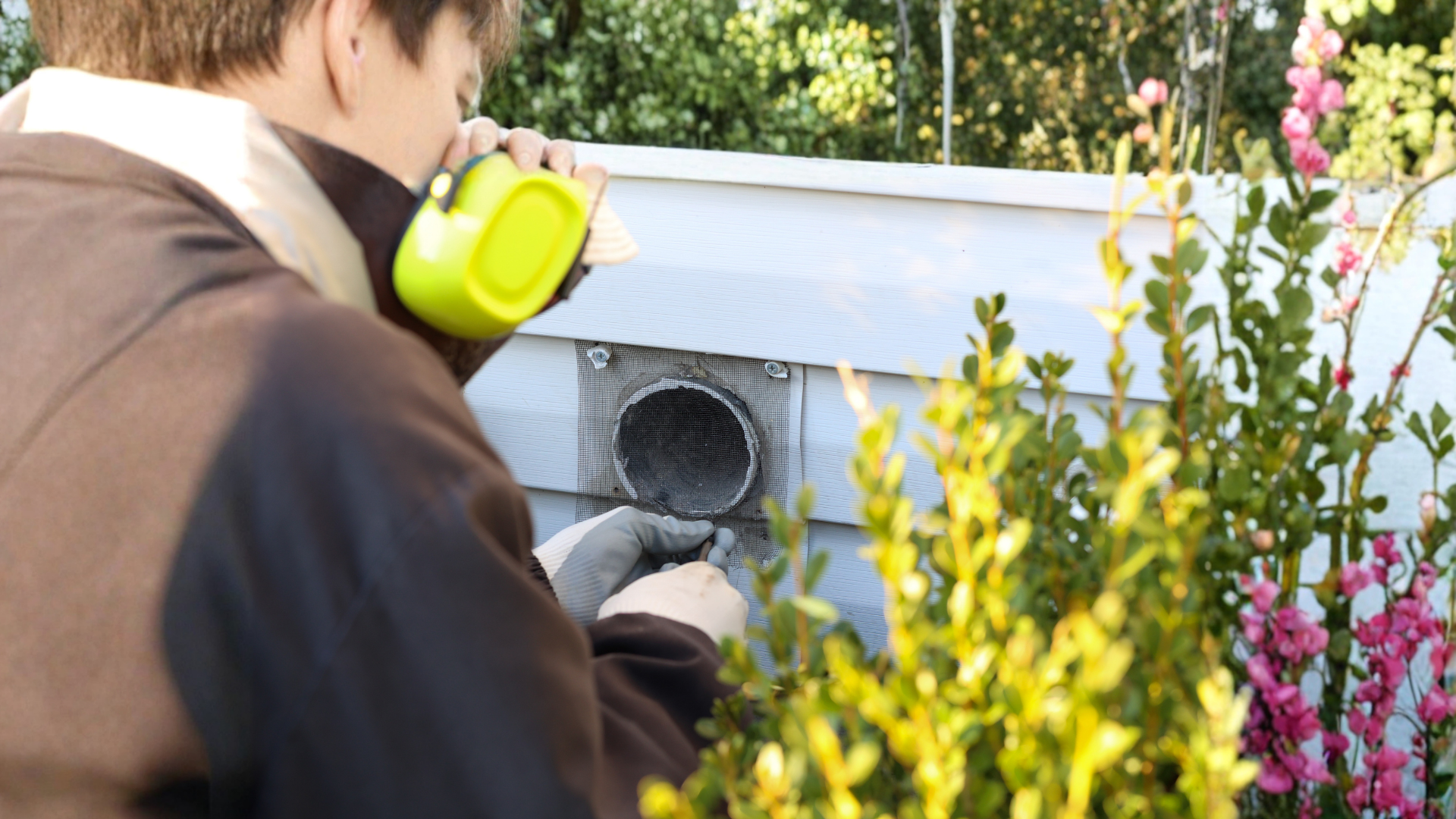
Professional exclusion requires industrial-grade steel mesh, heavy-gauge flashing, and sealants designed for exterior, structural use. The barrier must be stronger than the original building material. If the repair is weaker than the wood it covers, the intruders will exploit it. The goal is to alter the physical profile of the house so that it is no longer the path of least resistance. It is not enough to simply cover a hole. The repair must integrate with the home to prevent water intrusion and withstand the gnawing and clawing that will inevitably follow.
Dealing with wildlife is not a one-time event but a strategy of fortification. The recurrence of scratching in the walls or thumping overhead is rarely a fluke. It is a sign that the initial measures did not account for the sheer persistence of nature or the complexity of the structure. A truly resolved infestation requires looking at the home through the eyes of the animal, understanding the chemical signals they leave behind, and using materials that can withstand both tooth and weather. By addressing the entire system rather than just the obvious symptom, a property can finally remain secure. If you've got unwanted creatures making themselves at home on your property, don't hesitate to contact us today at Critter Detective, and let us handle the problem and take measures to prevent it from happening again.