Small Openings Around Your Home That Lead To Big Wildlife Problems
Hidden Wildlife Entry Points That Most Homeowners Never Notice
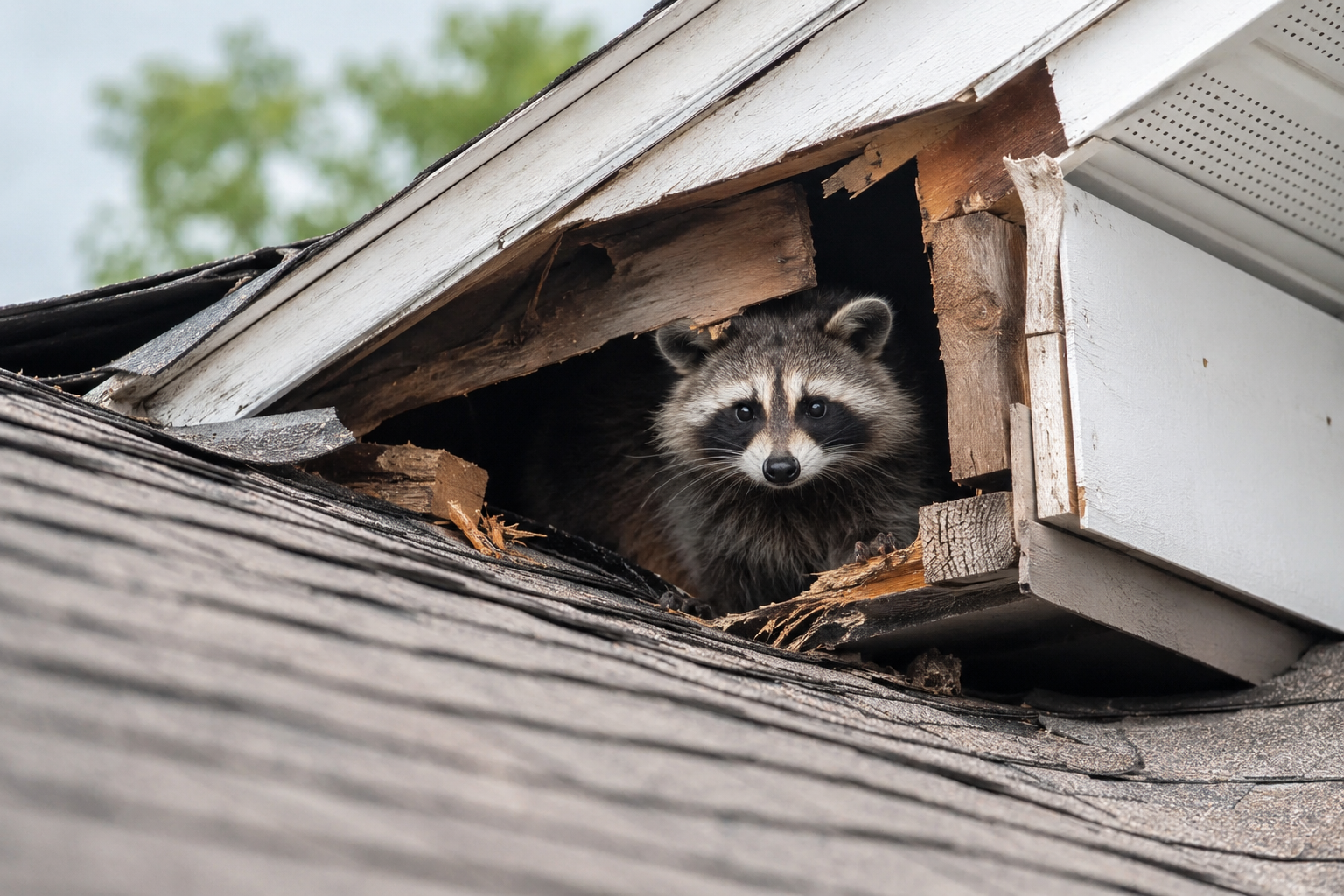
There are many wildlife species that don’t need a wide-open door to get inside a home. In many cases, the entry happens quietly through spaces so small they barely register during a casual glance. These gaps tend to sit in elevated or concealed areas, tucked along rooflines or hidden behind structural features where they blend into the design of the home. From the ground, everything can look intact, even when access points already exist.
Once an animal discovers a way in, activity can continue without drawing attention right away. The lack of visibility works in the animal’s favor, allowing it to move in and out without interruption. Homeowners may go weeks without realizing anything is wrong, especially when the entry point sits above the normal line of sight. By the time subtle signs begin to surface, the issue has often progressed beyond a simple fix.
The real challenge is not just the size of these openings, but how easily they go unnoticed. Small vulnerabilities can sit quietly for long periods, creating the perfect opportunity for wildlife to establish a presence indoors.
Why Small Openings And Hidden Locations Create Major Issues
Animals are far more adaptable than many people expect. Certain species can squeeze through gaps that seem impossibly tight, using flexibility and persistence to their advantage. A narrow separation along the siding or a slight shift in a vent cover can be enough to allow entry. Once that access point is used repeatedly, the surrounding material may begin to give way, gradually widening the opening.
This process often goes undetected because the changes happen incrementally. A gap that started as a minor construction flaw or weather-related shift can turn into a reliable access route. The longer it remains unaddressed, the more likely it is to support continued activity. What began as a small imperfection can eventually accommodate larger animals or even multiple occupants.
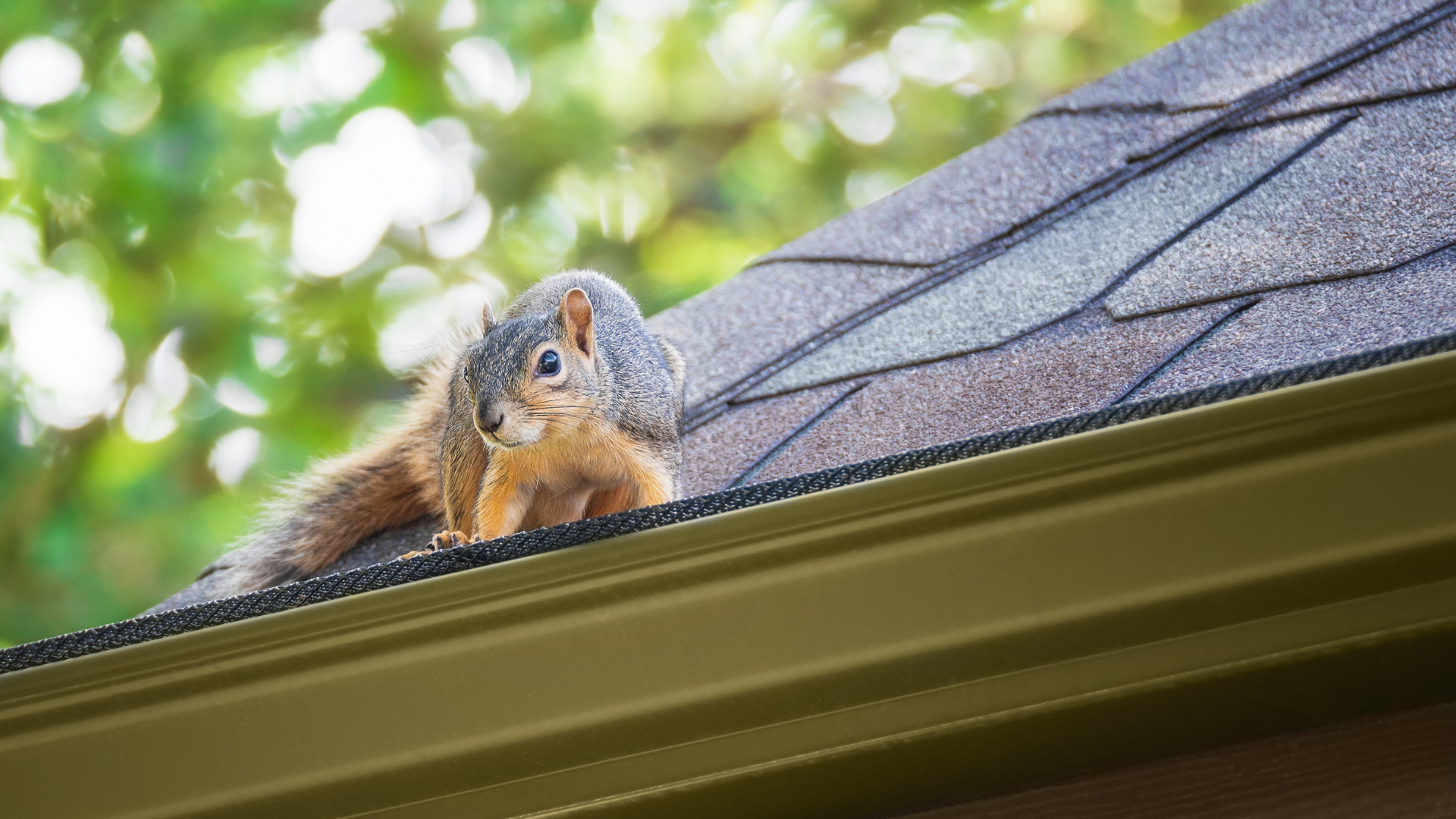
Another factor that contributes to the problem is the location of these openings. Areas such as upper corners, roof intersections, and spaces behind gutters are rarely inspected closely. They are out of reach and out of focus, making them easy to overlook during routine exterior checks. Wildlife tends to exploit these exact conditions, choosing entry points that offer both concealment and protection.
Where Entry Points Often Develop
Certain parts of a structure are naturally more vulnerable than others. Rooflines, for example, experience constant exposure to weather conditions, which can lead to subtle wear along edges and seams. Over time, this wear may create small separations between materials. Upper siding transitions and fascia boards are also common areas where gaps can form, especially if the original installation was not tightly sealed.
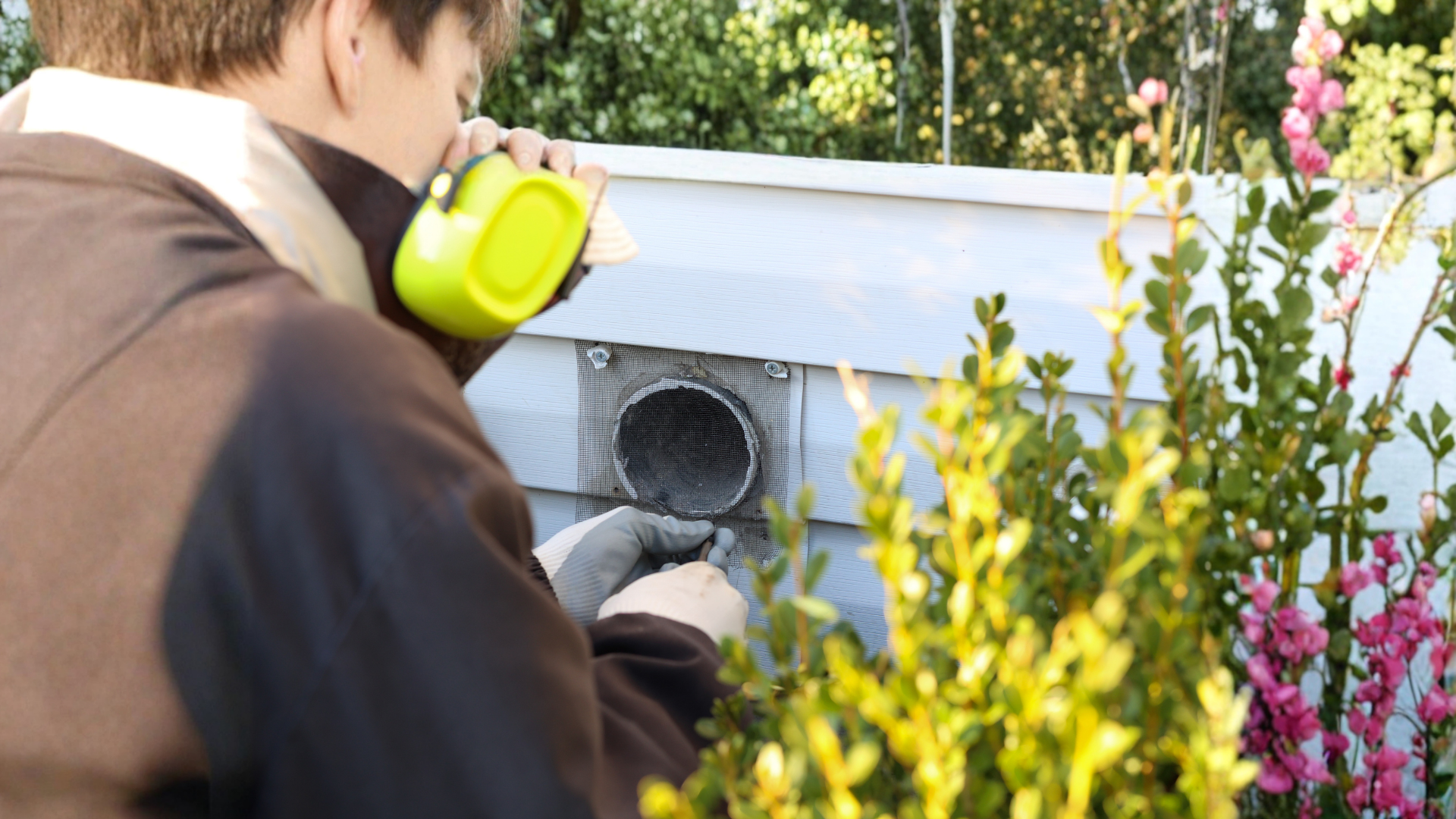
Vents and exhaust openings present another opportunity. These features are designed to allow airflow, but if coverings become loose or damaged, they can serve as direct pathways inside. Even small distortions in vent screens can be enough for animals to push through. Similarly, gaps around trim, corners, and joints can develop as materials expand and contract with changing temperatures.
Wildlife relies on a combination of instinct and environmental cues to locate these access points. Airflow plays a significant role, as warm air escaping from a home can signal a sheltered interior. Scent trails can also guide animals back to previously used openings, especially if another animal has already occupied the space. Once a route has been established, it often becomes a repeated pathway.
The difficulty for homeowners lies in how well these openings blend into the structure. Shadows, overlapping materials, and architectural details can obscure even noticeable damage. From certain angles, everything may appear intact, masking the underlying issue.
The Consequences Of Missed Openings
When entry points remain unaddressed, the effects tend to expand beyond the initial area. Wildlife activity inside walls, ceilings, or attic spaces can lead to a range of complications. Movement within these confined areas often results in noise, particularly during quieter hours when the sounds are more noticeable. Scratching, scurrying, or thumping can indicate that animals are actively navigating the interior structure.
Odors can also develop without an obvious source. As animals settle into a space, waste accumulation and nesting materials contribute to a growing smell that may spread through ventilation systems or seep into living areas. These issues rarely stay contained, and the longer the activity continues, the more difficult it becomes to address the underlying cause.
Structural impact is another concern. Repeated use of an entry point can weaken surrounding materials, leading to further damage. Interior components such as insulation, wiring, and wood framing may also be affected as animals move through the space. This type of damage often requires more extensive repair than the original opening itself.
Certain conditions increase the likelihood of hidden entry points forming in the first place. Aging materials, exposure to harsh weather, and minor construction gaps can all contribute to the development of small openings. Without regular exterior checks, these vulnerabilities can remain unnoticed until they are actively being used.
Reducing the risk of undetected access involves paying closer attention to areas that are not typically part of routine inspections. Elevated sections of the home, shaded corners, and spaces behind structural features deserve a more detailed look. Monitoring rooflines and vent openings can help identify early signs of wear before they become larger concerns. Maintaining the exterior in good condition also plays a key role in limiting opportunities for wildlife.
Attention to detail makes a meaningful difference. Small issues may seem insignificant at first glance, but they can quickly evolve into larger problems when left unresolved. Catching these vulnerabilities early allows for more manageable solutions and helps prevent recurring activity.
Small openings around a home can easily go unnoticed, yet they create opportunities for wildlife to enter and remain hidden for extended periods. These access points often exist in places that are difficult to see, making early detection a challenge without deliberate inspection. As activity continues, the impact can spread beyond the original entry, affecting both the structure and the indoor environment.
Addressing these concerns requires a careful approach and a willingness to look beyond the obvious. If there are signs of hidden entry or unexplained activity, taking action sooner can help limit further complications. The team at Critter Detective is equipped to identify concealed access points and address wildlife issues at their source. Don't hesitate to
contact us today to take the first step toward protecting your home from problems that start small but rarely stay that way.