Why Pests Enter Dryer Vents
How Birds, Rodents, And Insects Get Into Dryer Vents And How To Stop Them
Dryer vents move heat, moisture, and lint from laundry rooms to the outside of a home. That simple function creates conditions that many small animals and insects find appealing. These openings release warm air and soft fibers, while also providing a dark tunnel that feels sheltered from weather and predators. When certain exterior conditions exist around a house, the space can gradually become an inviting access point for wildlife. Birds, mice, squirrels, and numerous insects often take advantage of these conditions, turning a basic appliance outlet into a nesting or hiding location. Understanding what attracts them helps homeowners recognize why creature intrusions occur and why preventative maintenance matters.
Damaged Vent Covers And Structural Gaps
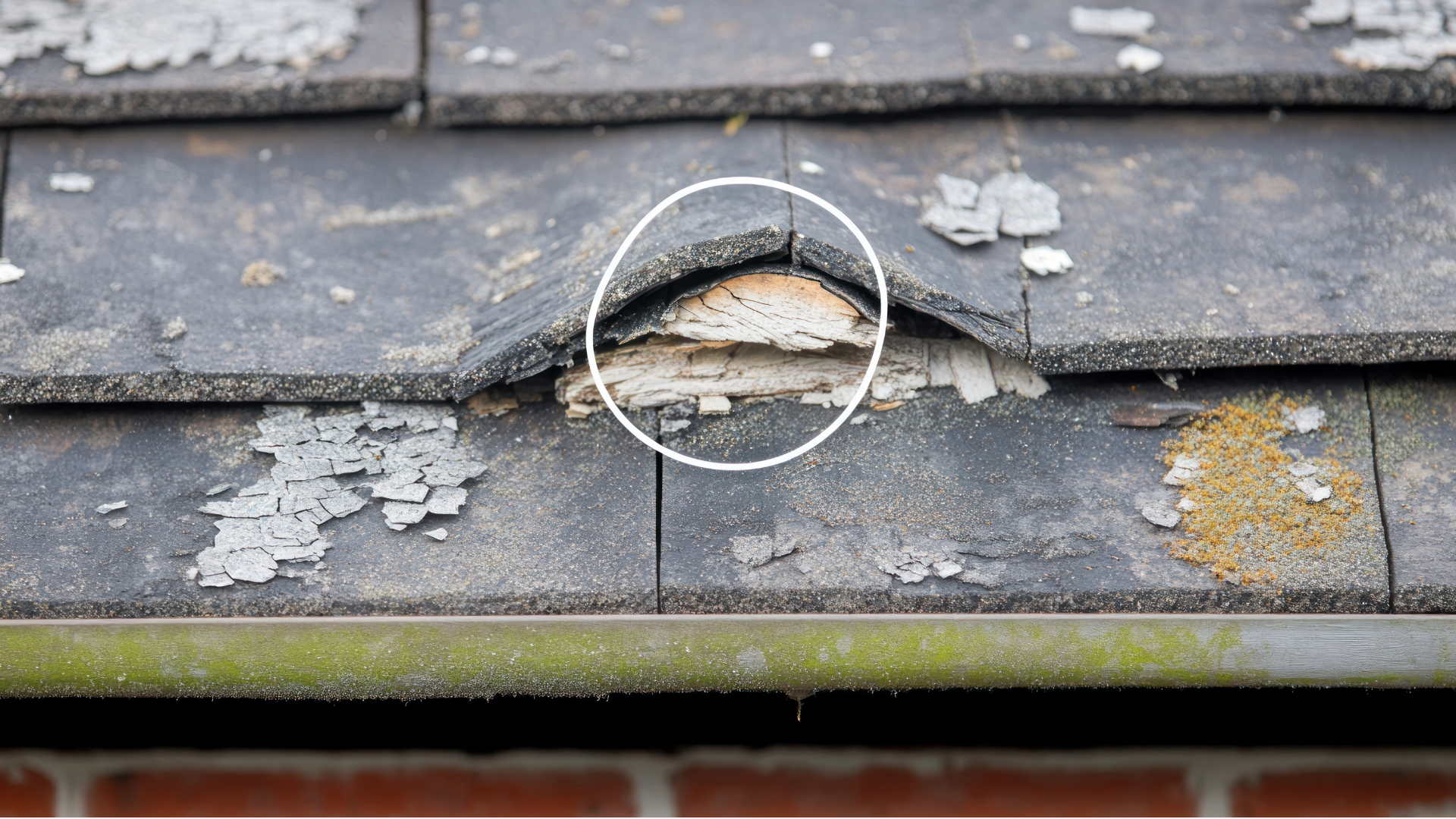
Exterior covers serve as the primary barrier between a house and the outdoor environment. When that cover cracks, warps, or loosens from the siding, the barrier weakens significantly. Even a small gap can provide enough space for a determined animal to squeeze through and investigate the duct behind it. Birds often examine these openings because the cavity resembles a natural hollow found in trees or rock crevices. Rodents approach with similar curiosity since narrow spaces offer protection from larger predators and harsh weather.
Exposure to the elements gradually contributes to this type of deterioration. Sunlight, wind, and temperature swings cause many plastic covers to become brittle. Hinged flaps may snap, bend, or remain partially open after years of use. Once the flap fails to close properly, the vent effectively becomes an exposed tunnel leading into the ductwork. For a small creature searching for a protected place to settle, that opening appears quiet, shaded, and shielded from rainfall.
Structural gaps around the opening create additional entry points. Sealants placed around exterior fixtures can shrink or split as building materials expand and contract throughout seasonal cycles. Siding panels occasionally shift slightly, leaving small edges where wildlife can begin chewing or prying. Mice are particularly skilled at widening small openings. Persistent gnawing can transform a thin seam around the frame into a usable passage that leads directly into the system connected to the dryer.
Lint Accumulation And Nesting Material
Lint buildup inside a system creates another factor that attracts wildlife. Each laundry cycle pushes small fibers through the duct, and some of those fibers collect along the interior walls. When maintenance is neglected, the accumulation can become thick enough to resemble soft insulation. That texture appeals to birds and rodents searching for material to build nests.
Dry fibers are lightweight and easy to shape. Birds frequently gather similar materials such as dried grass, feathers, and plant fibers. When they encounter lint inside a vent, the material can seem perfect for constructing a sheltered nesting space. A partially clogged duct also slows the movement of air, allowing those fibers to remain inside longer rather than being expelled outside.
Rodents find the environment appealing for similar reasons. Mice and squirrels instinctively gather soft material to line their nests, especially in cooler seasons when insulation becomes important. A vent containing accumulated lint can supply an abundant source of nesting material within a confined tunnel that already feels protected. Once an animal begins pulling and rearranging that material, the obstruction can become larger and denser.
Insects sometimes benefit from these conditions as well. Lint traps moisture and organic particles that create a favorable environment for certain species. Beetles, moths, and other small pests may settle in areas where fibers collect, particularly if the opening rarely receives cleaning or inspection.
Warm Airflow And Shelter Inside The Duct
The airflow produced by a working dryer plays a major role in attracting wildlife. Each laundry cycle sends warm air through the vent and out into the surrounding environment. During colder months, that steady release of heat can signal a comfortable shelter nearby. Animals instinctively search for places where temperatures remain relatively stable, especially during winter.
A vent opening offers that warmth along with a protected interior tunnel. Inside the duct, the walls shield animals from wind, precipitation, and direct sunlight. The narrow design also limits access for larger predators. For a bird or rodent seeking a quiet nesting area, the interior of a vent can resemble the hollow spaces they typically occupy in nature.
The airflow itself sometimes carries scents that draw attention. Moist air leaving the vent may contain faint traces of detergent or organic particles from clothing fibers. These odors can signal activity or warmth, prompting curious animals to investigate further. Once an animal enters the vent, the tunnel shape encourages exploration deeper into the system.
If the exterior flap is damaged or stuck open, the constant movement of air can keep the passage clear enough for wildlife to move freely. This combination of warmth, shelter, and accessibility creates an environment that many animals find difficult to ignore.
Nearby Nesting Areas And Exterior Home Conditions
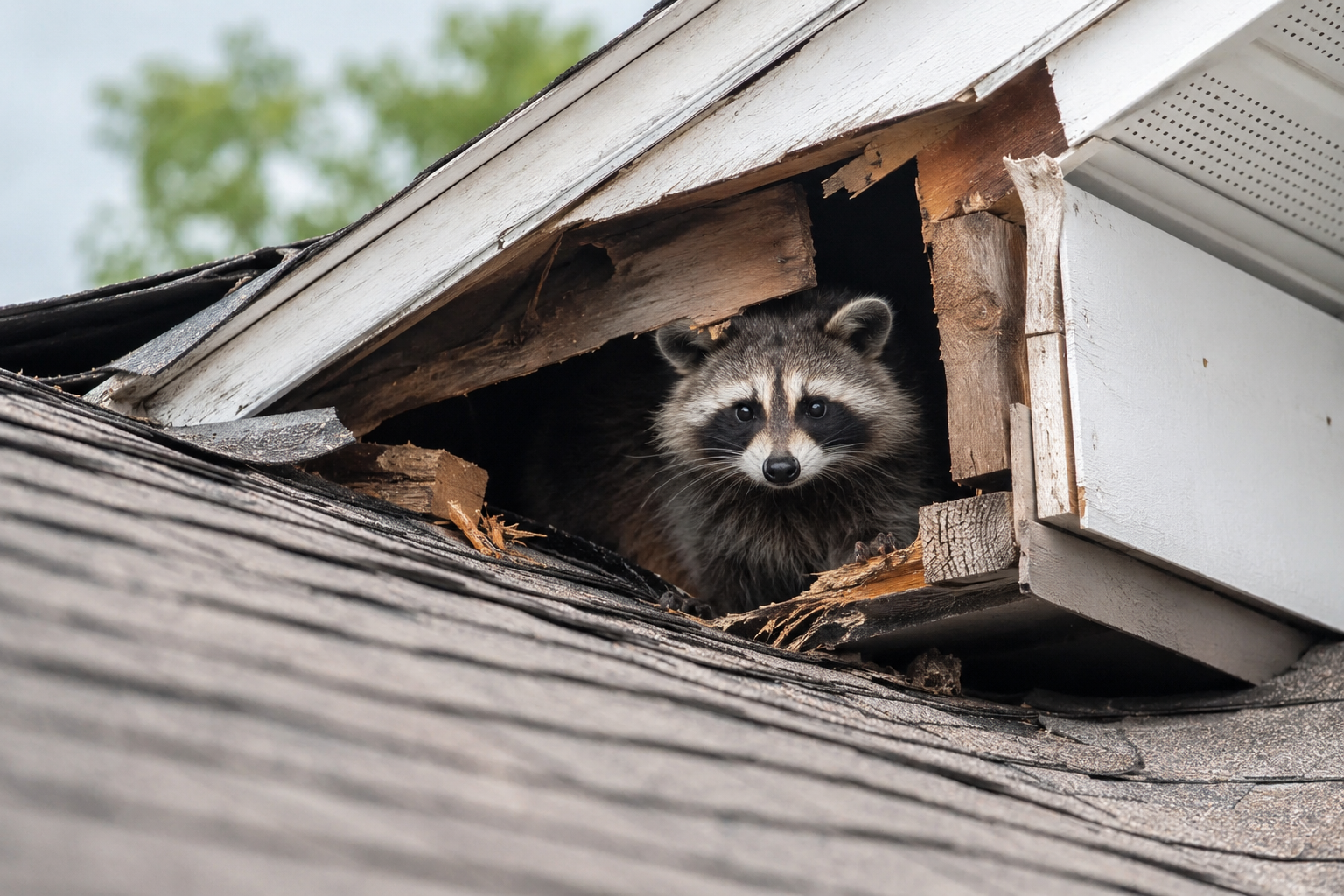
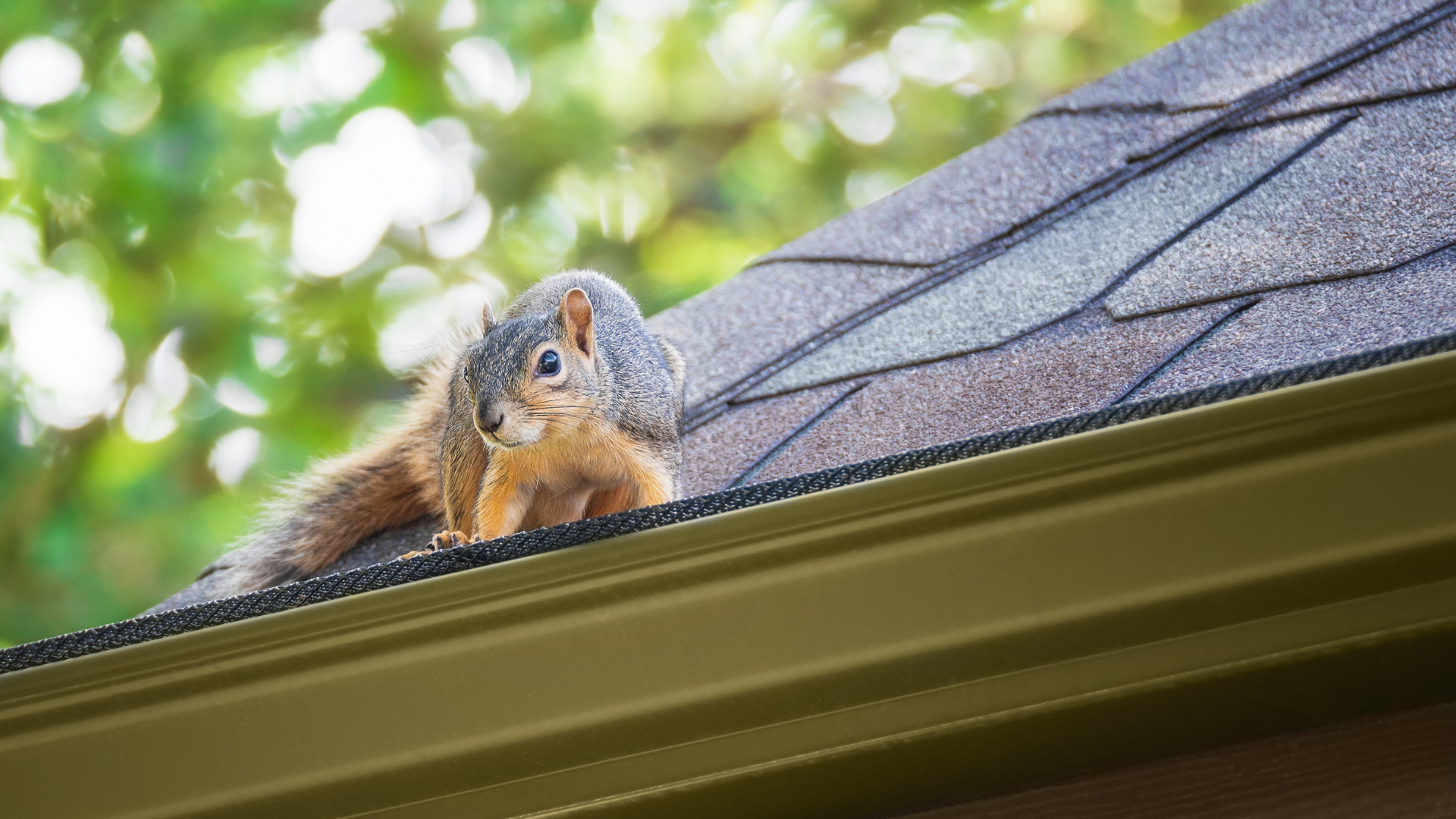
The surroundings of a home often influence whether wildlife approaches dryer vents in the first place. When nesting areas exist close to the building, critters naturally explore nearby structures while searching for shelter or materials. Trees, shrubs, and rooflines provide ideal starting points for birds and squirrels looking for protected cavities.
Dense vegetation around exterior walls can also contribute to the problem. Bushes positioned near a vent opening provide concealment, allowing wild creatures to investigate the structure without feeling exposed. Rodents frequently travel along foundation lines and landscaping features, which brings them into contact with exterior fixtures.
Small openings around roofs, siding, or utility penetrations sometimes indicate that wildlife already travels along the structure. Once animals grow accustomed to moving across those surfaces, a dryer vent becomes another point worth investigating. Insects may also gather around exterior walls where warmth escapes from the home.
Dryer vents perform a simple household function, yet the conditions they create can attract a wide range of wildlife when structural issues or environmental factors come into play. Damaged covers, accumulated lint, warm airflow, and nearby nesting areas combine to create an inviting space that animals may attempt to occupy. Addressing these vulnerabilities requires proper inspection, cleaning, and repair before small problems grow into larger intrusions. If you suspect activity inside your vent system or notice signs of animals around exterior openings, don’t hesitate to
contact us
today at Critter Detective, and let our experts help resolve the issue and restore proper function.