Personalized Wildlife Removal Services Compared To National Franchises
Local Wildlife Professionals With Knowledge Of Regional Animal Activity
When an animal gets into a home or business, the problem rarely feels simple from the inside. A scratching sound in the attic could point to squirrels, raccoons, mice, bats, or birds. A torn vent cover might be the main entry point, or it might be one of several weak spots around the structure. That’s where a locally operating wildlife removal company brings a different kind of value than a large national franchise.
Local teams work with the same neighborhoods, building styles, tree cover, drainage issues, rooflines, crawl spaces, and seasonal animal pressures week after week. That familiarity matters. A technician who regularly handles raccoon activity near wooded lots, bat entry around older roof peaks, or squirrel issues in mature residential areas reads the signs with sharper context. The service becomes less generic and more grounded in what is happening nearby.
National franchises may have broad systems and recognizable branding, which can be useful in some situations. Still, this category of problems can be very location-specific. Animal behavior changes with weather, food sources, nesting periods, construction trends, and the layout of nearby properties. A local provider is usually better positioned to connect those factors quickly. Instead of applying a standard script to every call, the technician may look at the structure, the species involved, and the surrounding environment as one complete picture.
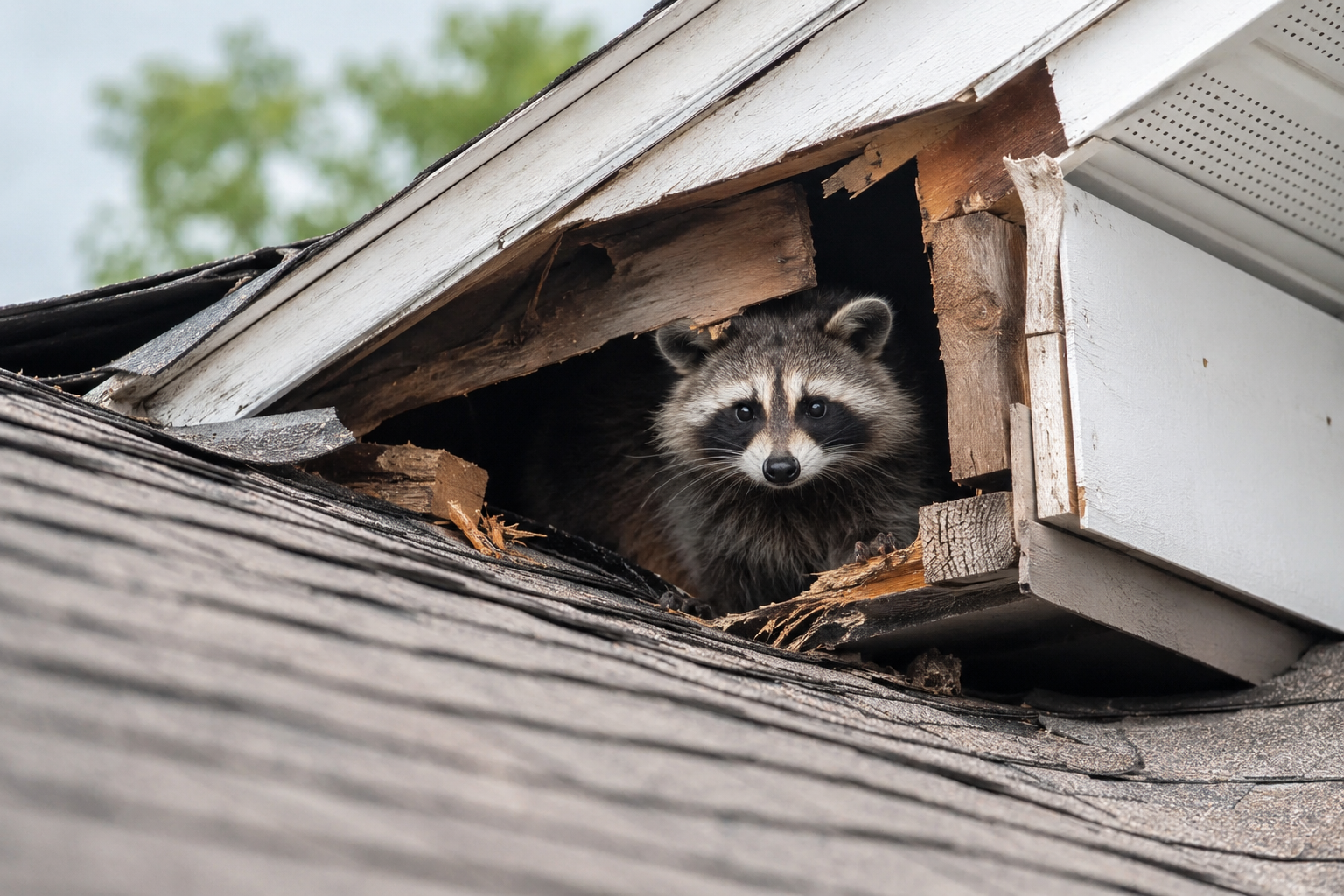
That approach helps property owners understand why the issue developed. A raccoon in the attic may be responding to easy roof access, loose soffit material, a nearby food source, or a denning opportunity during a particular season. A personalized plan looks at those details before deciding how to proceed.
Communication That Feels More Direct
One of the biggest differences between a local company and a national franchise is the way communication often works. With a larger operation, a customer might speak with a call center first, then wait for information to pass through several layers before an appointment is confirmed or adjusted. That process may function, but it can also feel detached when a property owner is dealing with noises in the wall, droppings in the attic, or damage near a roofline.
Locally operated companies are often built around shorter communication paths. The person answering the phone may know the technician’s schedule, the service area, and the type of problem being described. That can make the first conversation more useful. Instead of simply collecting contact information, the company may ask practical questions, explain likely next steps, and give a clearer idea of what the visit may involve.
Consistent communication also matters after the inspection. Wildlife removal usually has more than one stage. There may be an assessment, a removal strategy, exclusion repairs, cleanup recommendations, and follow-up observations. When several people are involved and service notes are getting passed around through a large system, small details can get lost. A local team may have fewer handoffs, which helps keep the job organized from the first call to the final check.
Property owners also tend to appreciate straightforward explanations. They want to know what animal is involved, where it appears to be entering, what damage has been found, and what can be done to reduce future entry. A local company that depends on long-term relationships in the community has a practical reason to communicate carefully. Clear answers, realistic scheduling, and honest guidance protect both the property and the company’s reputation.
Faster Availability When Timing Matters
Wildlife concerns often need timely attention. Animals can damage insulation, chew through vulnerable materials, contaminate storage areas, disturb sleep, and create stress for the people living or working inside the building. While some situations are more urgent than others, waiting too long may allow the issue to grow.
Local companies may have an advantage because their routes, staff, and service decisions are concentrated within a smaller area. A technician who is already working nearby may be able to inspect a property sooner than a franchise team balancing a broader territory. Shorter travel distances also make scheduling more flexible when weather changes, animal activity shifts, or a property owner needs a specific appointment window.
Quicker availability is not only about arriving sooner. It also affects how efficiently the whole process moves. If a technician identifies an entry point during the first visit, a local company may be able to coordinate the next phase without waiting on distant approvals or rigid franchise procedures. That can be especially helpful when a vulnerable opening needs prompt attention or when the activity is still developing.
Wildlife removal also benefits from timing that matches the behavior of the active species. Some species are more active at dawn or dusk. Others may be entering and exiting at certain points during the day. A company that works nearby and understands the local patterns may schedule inspections and follow-up visits in a way that supports better results.
Tailored Strategies For Local Critters
The most effective wildlife removal plans are built around evidence. Tracks, droppings, nesting material, rub marks, claw damage, chew marks, odor, sounds, and entry holes provide clues. But those clues become more useful when interpreted through local experience.
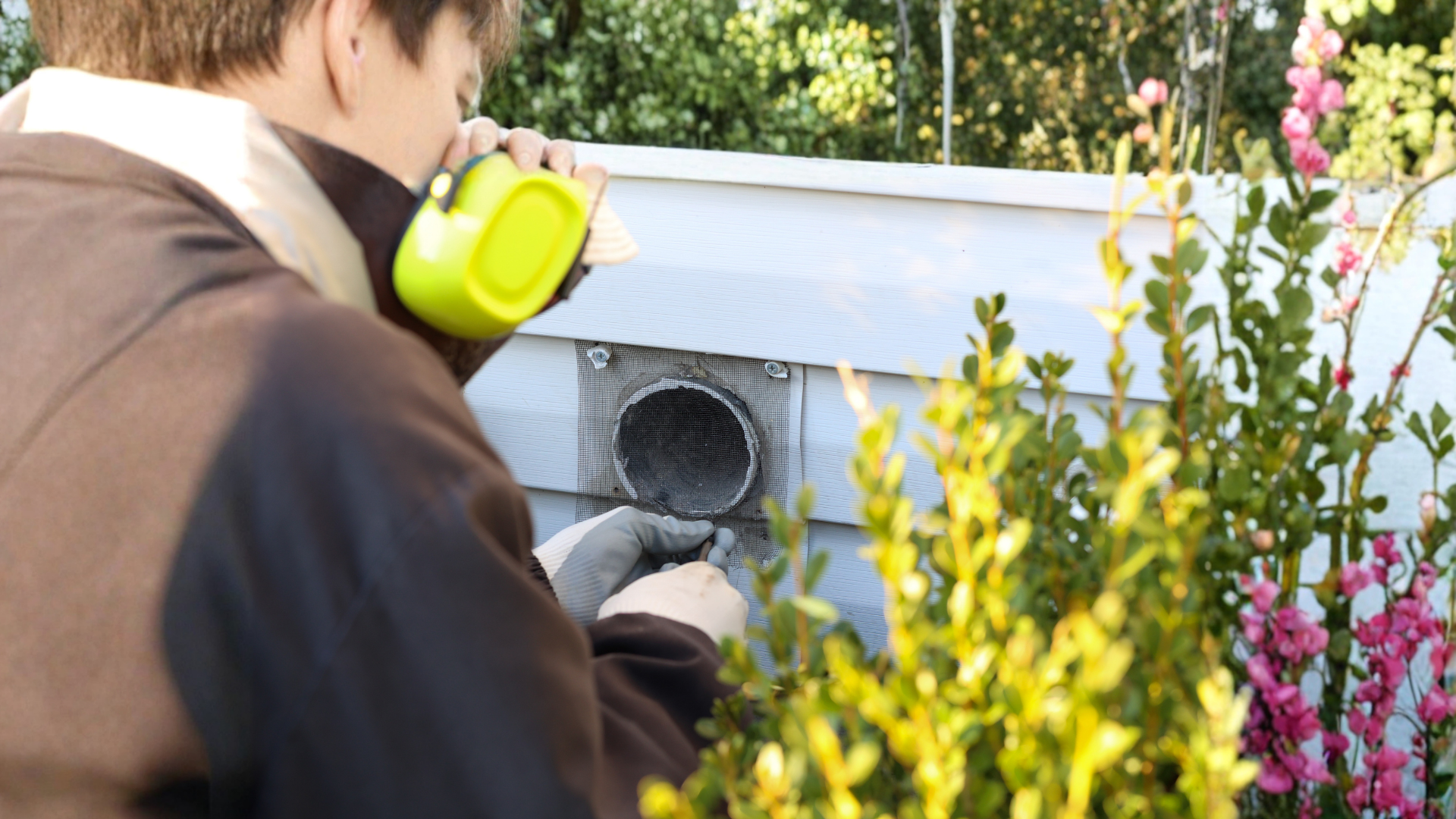
A locally operated company can recognize common patterns in the area. In one neighborhood, squirrels may enter through builder gaps near roof edges. In another, raccoons may target weak attic vents. Bats might favor narrow openings near fascia boards, while birds may take advantage of damaged exhaust covers or open vents. The correct strategy depends on the animal, the structure, the season, and the way the problem developed.
National franchises often rely on standardized training, forms, and procedures. Those systems can create consistency, but wildlife problems do not fit neatly into one template. A customized approach can account for regional animal pressure, local construction details, and site-specific risks. That might mean paying close attention to nearby trees, roof overhangs, crawl space access, chimney caps, deck gaps, or exterior utility penetrations.
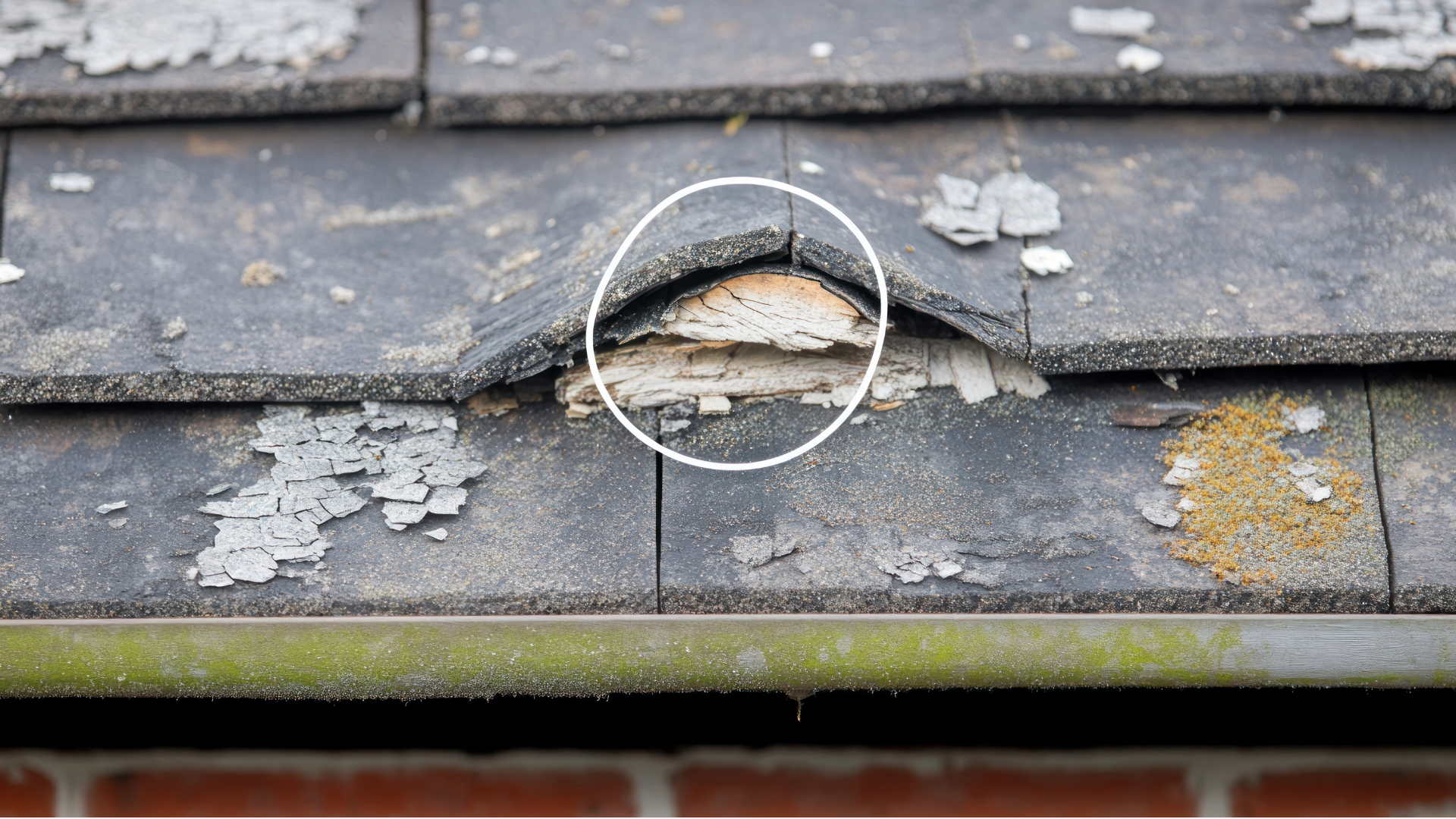
Tailored service also supports prevention. Removing the immediate animal concern is only one part of the job. If entry points remain available, new activity may develop later. A detailed inspection can identify openings that are easy to overlook, especially on upper rooflines or behind exterior features. Practical exclusion work, paired with clear maintenance guidance, helps reduce repeat problems without relying on guesswork.
There’s also value in explaining the strategy in plain language. Property owners don’t need a confusing technical lecture. They need to understand what was found and why a particular solution makes sense.
Choosing a wildlife removal provider is partly about solving the current issue, but it’s also about finding a company that understands the property, the surrounding area, and the animal behavior behind the problem. A locally operated team can often provide more direct communication, more practical scheduling, and service recommendations shaped by nearby wildlife activity rather than broad assumptions. If you’re hearing movement, seeing damage, or noticing signs of unwanted animals around your home or business, contact us today at Critter Detective for help keeping problem critters away from your property long-term.