Animal Intrusions And Critical Equipment Failure
Wildlife Threats To Data Center Infrastructure And Operations
Modern server environments depend on steady airflow, clean power delivery, and uninterrupted connectivity. Even small disruptions can create cascading operational headaches, especially in environments supporting cloud services, financial transactions, healthcare platforms, or large-scale enterprise networks. Wildlife pressure is an underappreciated factor in these disruptions. When animals enter sensitive technical spaces, they bring behaviors that clash directly with the precision these environments demand.
Rodents and similar intruders are drawn to warmth, shelter, and hidden voids. Utility corridors, cable pathways, and mechanical rooms can resemble ideal habitat conditions. Once inside, the consequences extend beyond nuisance. Even brief interference can contribute to equipment instability, unexpected shutdowns, and unplanned maintenance windows. In mission-critical environments, a minor incident can translate into serious service interruptions, contractual penalties, or lost productivity.
The stakes rise further because many technical operations must meet strict uptime expectations. Wildlife presence introduces unpredictable variables that are difficult to anticipate with traditional IT monitoring. Physical threats, biological contamination, and structural compromise can quietly build until something fails. Understanding how chewing, nesting, contamination, and access points create operational risk is essential for protecting continuity.
Chewing Damage And System Vulnerability
Chewing is one of the most direct ways wildlife causes harm in technical environments. Rodents have continuously growing teeth, so gnawing is a natural behavior. Unfortunately, wiring insulation, fiber coatings, and plastic conduit materials are vulnerable targets. When an animal damages cabling, the effects can range from intermittent network drops to full power faults.
Electrical impacts are particularly concerning. A compromised wire can create arcing, short circuits, or tripped breakers. Even if a fault is quickly contained, emergency shutdown procedures may activate, leading to unexpected downtime. For facilities designed around redundancy, a single damaged circuit can still strain backup pathways and increase wear on secondary components.
Beyond immediate outages, chewing introduces compliance concerns. Many regulated industries require documented controls for physical security and environmental integrity. Damaged cables or exposed conductors can trigger audit findings, especially if the event suggests insufficient preventive measures. Repair work also tends to be expensive because it often requires specialized technicians, after-hours labor, and careful validation before equipment is brought fully back online.
Chewing damage also affects cooling and monitoring lines. Small plastic tubes, sensor wiring, and control cables can be just as critical as power feeds. When these are compromised, temperature regulation may drift, alarms may fail to report accurately, and equipment could operate outside acceptable thresholds. The cost is not limited to the repair itself, but also the operational uncertainty that follows.
Nesting Behavior And Hidden Mechanical Disruption
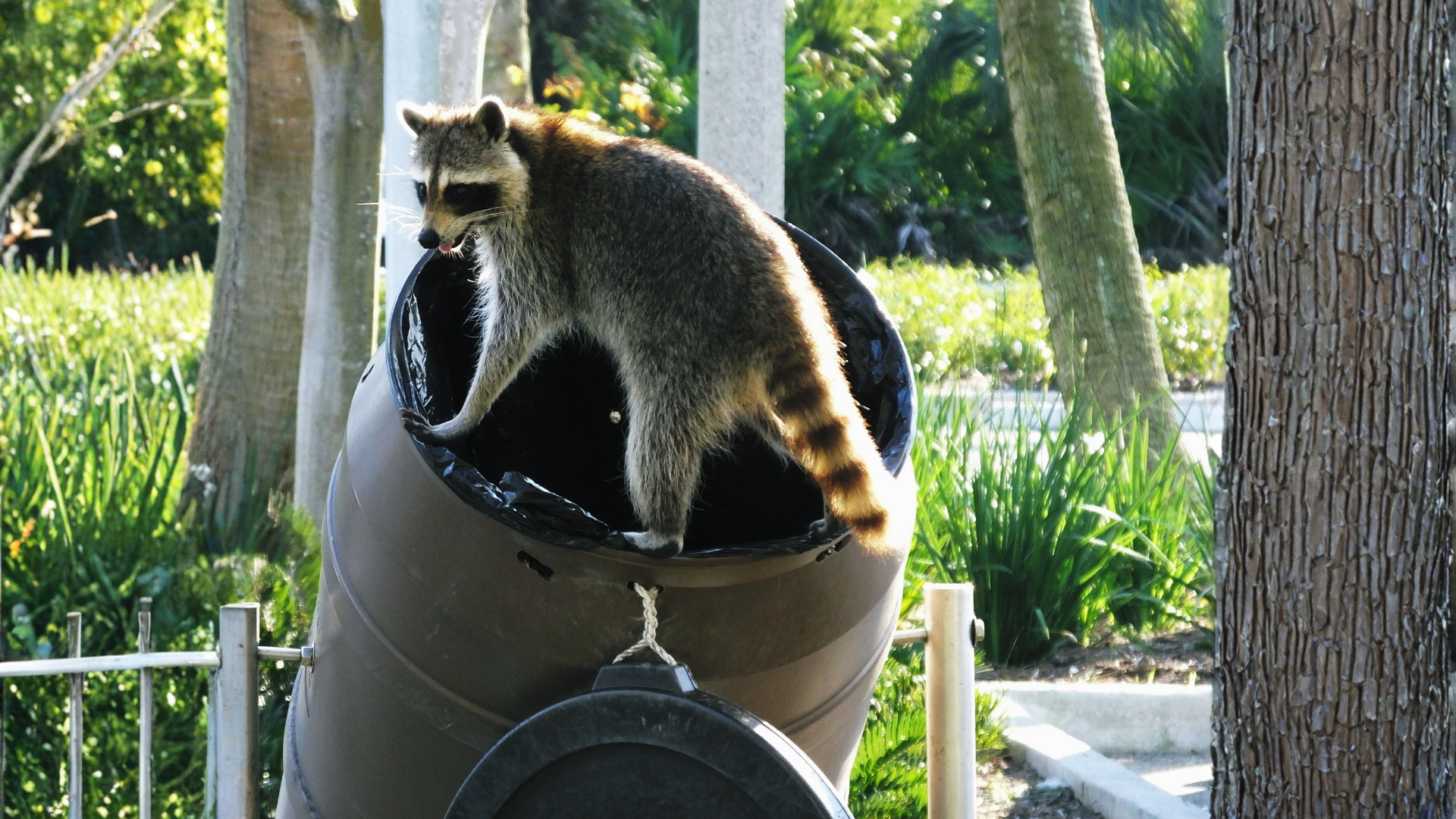
Nesting creates a different category of threat, one that often develops quietly. Animals look for soft, protected materials to build shelter. Insulation, cardboard, packaging debris, and even fabric from nearby storage areas can be pulled into wall voids or under raised floors. These nests can obstruct airflow pathways, which are essential for maintaining stable thermal conditions around racks and power units.
Restricted airflow forces cooling equipment to work harder. Hot spots can form unexpectedly, and cooling redundancy may become less effective. Even slight temperature increases can shorten component lifespan or prompt automated throttling in sensitive computing hardware. In environments where uptime commitments are measured in minutes per year, nesting-related heat disruption becomes a serious operational risk.
Nesting also introduces fire hazards. Collected debris near electrical systems increases the chance that a spark or overheated component could ignite combustible material. While suppression systems exist, activation can itself cause costly interruption and cleanup requirements.
Mechanical systems are also at risk. Wildlife can nest near air handlers, within ductwork, or close to generator enclosures. A blocked intake or damaged filter assembly can reduce equipment efficiency and increase maintenance frequency. These problems rarely announce themselves immediately. Instead, they emerge as a gradual performance decline, which makes them harder to trace back to wildlife activity.
The presence of nests can further complicate compliance requirements. Many organizations must maintain strict standards for cleanliness and facility integrity. Evidence of animals in operational spaces can raise concerns with auditors, insurers, and stakeholders, particularly when sensitive workloads are involved.
Contamination And Regulatory Consequences
Contamination is one of the most serious and least discussed impacts of wildlife intrusion. Droppings, urine, shed fur, and parasites introduce biological material into environments designed for controlled cleanliness. Even when animals remain in peripheral zones, air circulation can carry contaminants toward sensitive equipment.
Biological residue can corrode surfaces, damage connectors, and create unpleasant odors that signal deeper issues. In technical spaces with filtration systems, contamination adds load to HVAC components and may require premature filter replacement. Cleaning is not straightforward, since improper methods can spread particulates or introduce moisture near electrical assemblies.
Health and safety compliance becomes a major concern. Facility teams must consider employee exposure risks, especially in confined mechanical rooms or underfloor spaces. Regulatory frameworks in healthcare, finance, and government contracting often require documented environmental controls. Wildlife contamination incidents can lead to inspection findings, corrective action plans, and reputational strain.
Contamination also affects operational continuity through required remediation. Specialized cleaning services, temporary access restrictions, and follow-up inspections can extend downtime beyond the initial intrusion event. For organizations supporting critical services, the indirect costs may exceed the physical damage itself.
Another challenge is that contamination often signals repeated access. If droppings are found, it suggests animals have been present long enough to establish patterns. That means the risk is ongoing unless entry pathways are addressed.
Access Points And The Pathway To Costly Interruptions
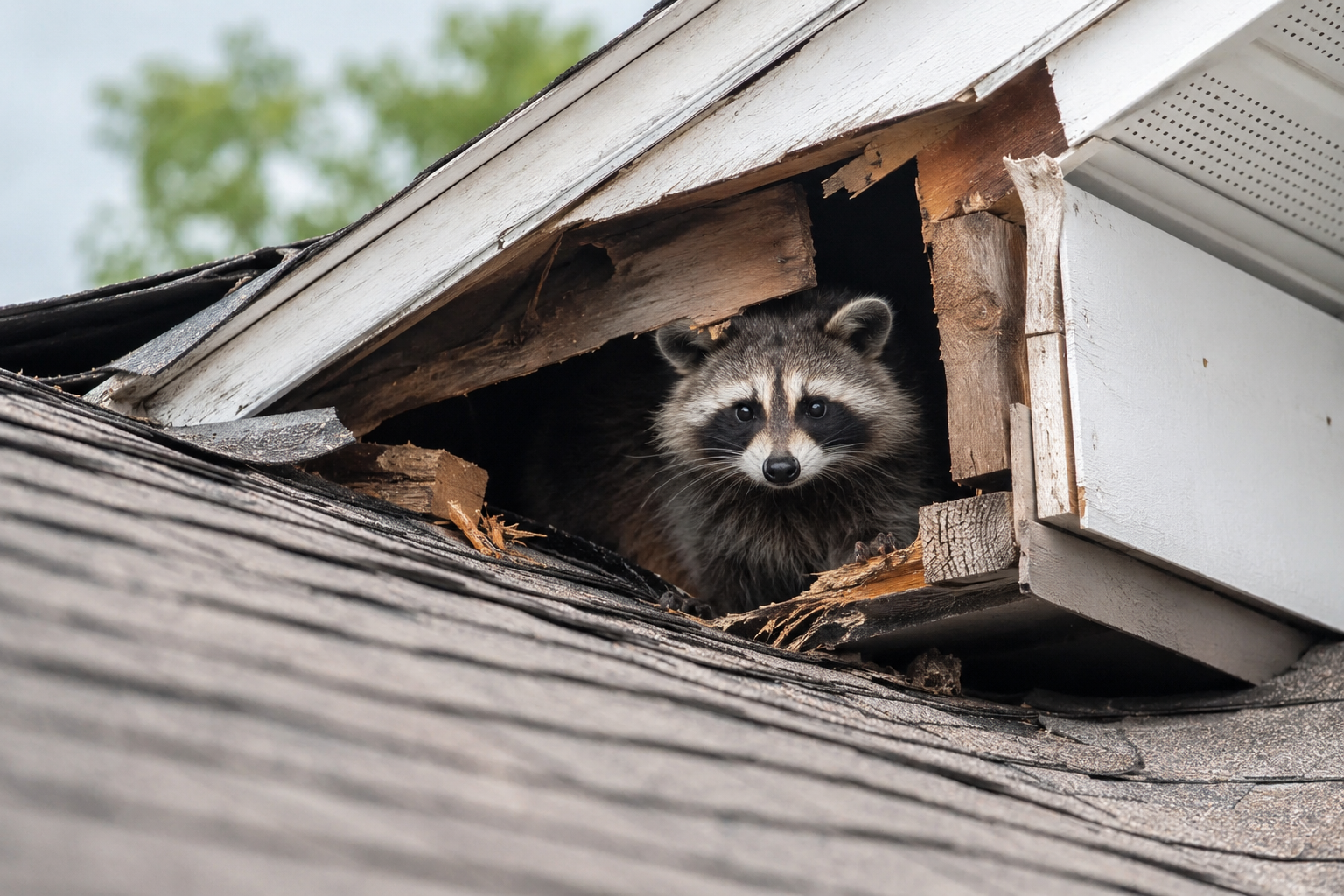
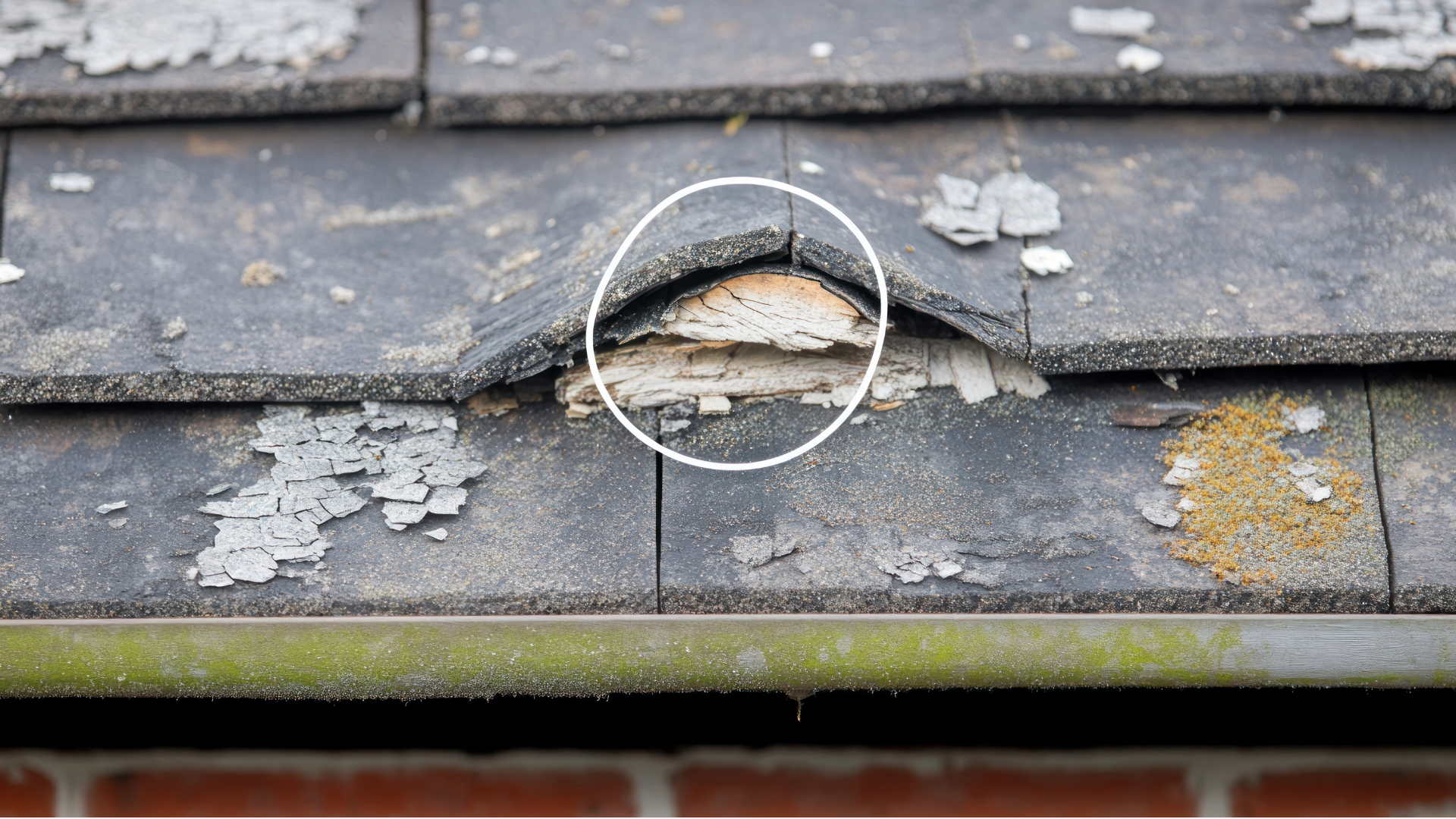
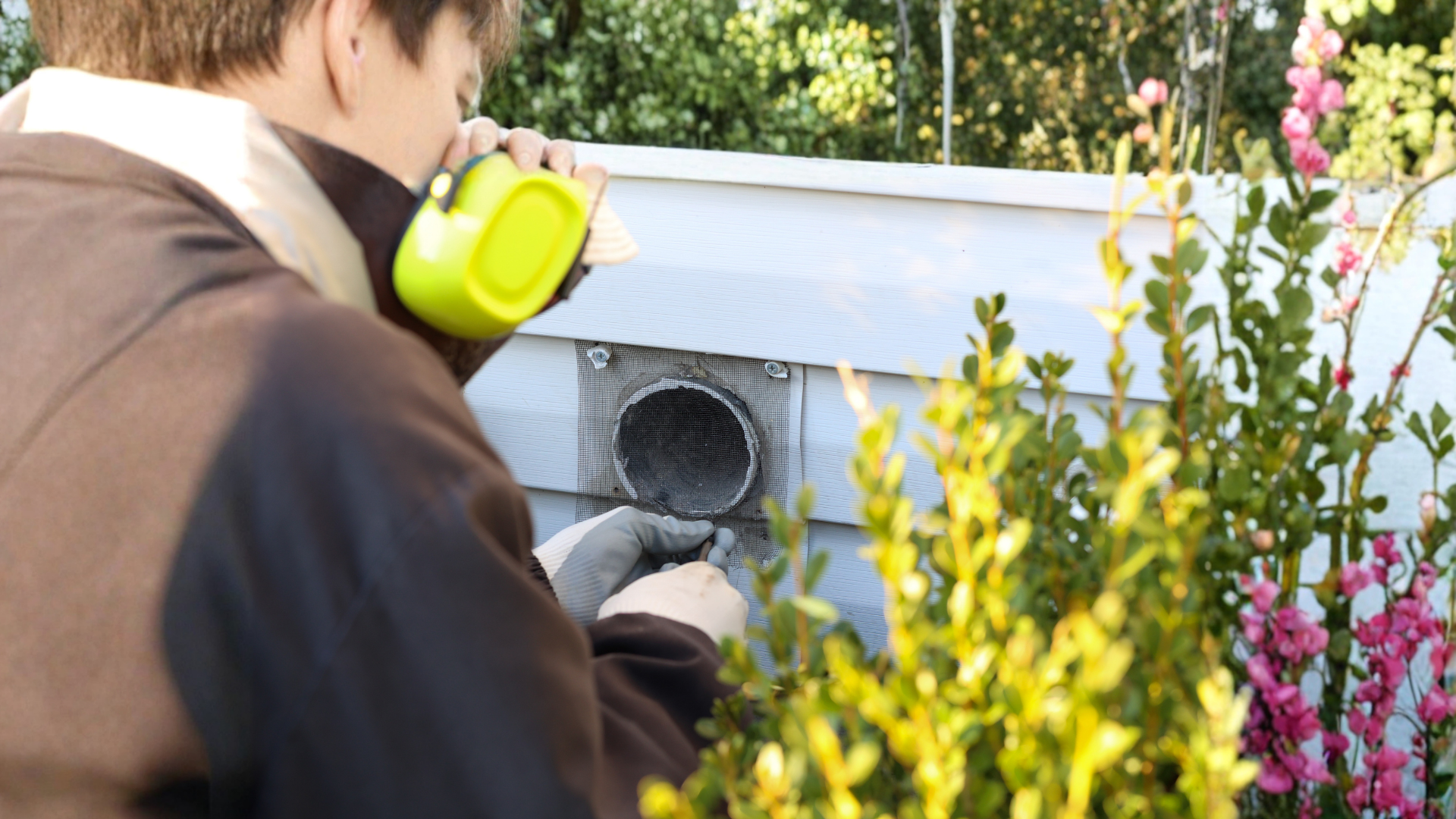
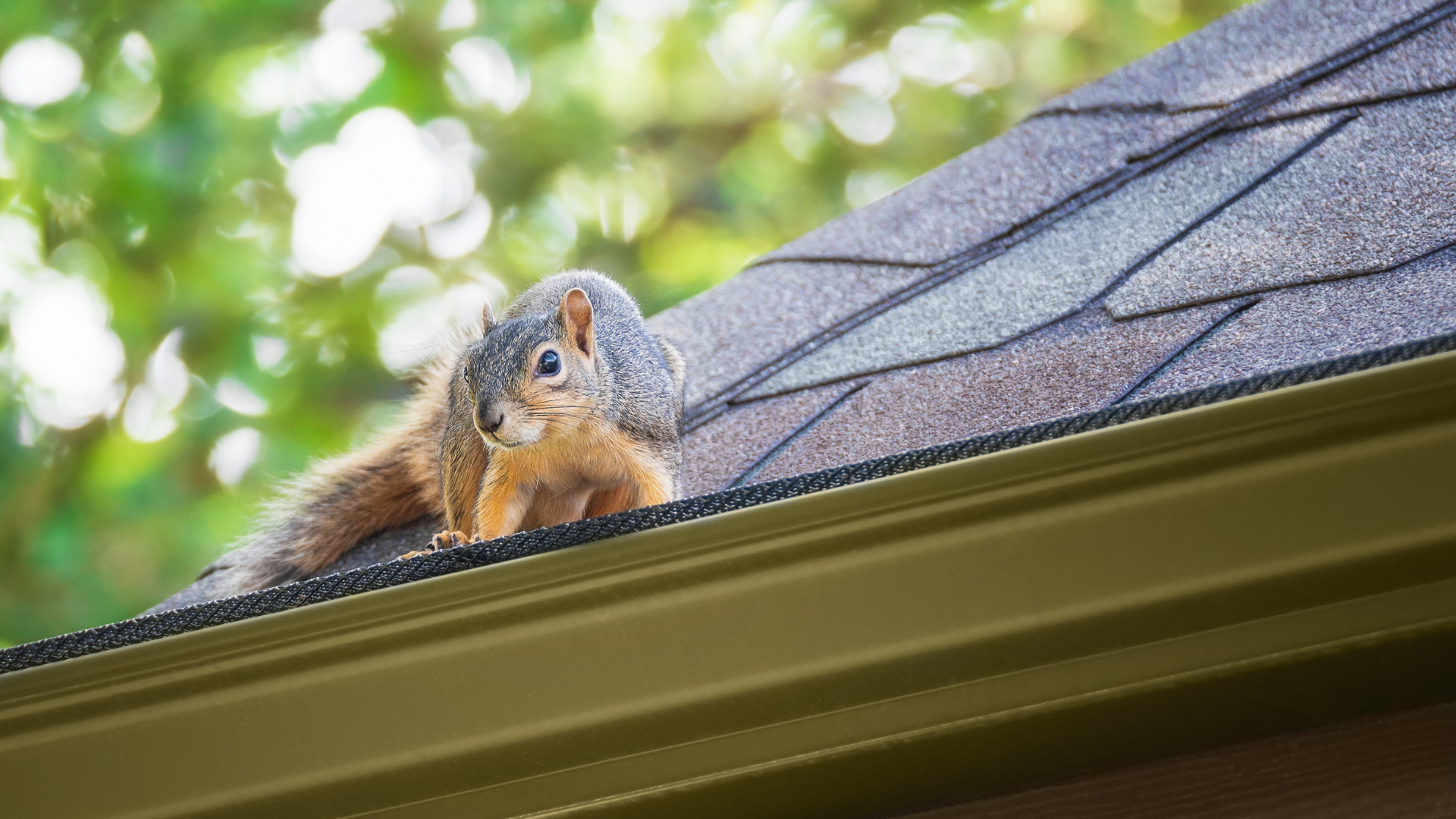
Access points are the starting line for nearly every wildlife-related incident. Animals exploit small gaps around conduits, vents, louvers, rooflines, and utility penetrations. Even openings that appear insignificant can be enough for rodents to squeeze through. Once inside, they can move along cable trays, ductwork, and structural voids, reaching areas that are difficult to inspect regularly.
Physical security is a key aspect of operational resilience. Many organizations invest heavily in cybersecurity while overlooking the importance of sealing the building envelope. Wildlife entry undermines both. An animal that reaches communication rooms or backup power zones can disrupt systems that support digital defenses and uptime commitments.
Access issues also complicate maintenance planning. If technicians repeatedly discover animal evidence during routine inspections, it creates unplanned work orders and distracts from proactive infrastructure improvements. Emergency response becomes more frequent, which increases labor costs and operational stress.
Service interruptions linked to wildlife are often more expensive than typical equipment failures because they combine physical repair, sanitation, compliance documentation, and preventive retrofits. The financial impact can include SLA penalties, customer dissatisfaction, and internal productivity loss.
The most effective approach involves integrated exclusion strategies, structural reinforcement, and ongoing monitoring. Facilities benefit from partnering with specialists who understand both animal behavior and the sensitivity of technical environments.
Wildlife threats in server-dependent facilities are not just an inconvenience. Chewing can compromise wiring and power stability, nesting can disrupt cooling and mechanical performance, contamination can trigger compliance and health concerns, and access points can turn a small vulnerability into a recurring operational crisis. Addressing these risks requires a proactive mindset that treats wildlife management as part of infrastructure protection. If your organization wants to reduce downtime exposure and strengthen facility resilience, don't hesitate to
contact us
at Critter Detective today to discuss professional exclusion and control solutions tailored to high-stakes technical environments.