Wildlife Damage To Insulation And Energy Efficiency
How Nesting Destroys Thermal Barriers
Homes are designed to hold comfortable temperatures by creating a barrier between indoor spaces and the outdoors. Insulation plays a central role in that balance, quietly regulating heat flow and supporting energy efficiency. When wildlife finds a way inside walls, attics, or crawlspaces, that balance starts to break down. The damage often remains hidden until energy bills spike or indoor comfort becomes harder to maintain. Understanding how animals affect insulation helps explain why these issues escalate quickly and why professional intervention matters. What makes this problem especially challenging is that this kind of damage rarely announces itself right away. The consequences build gradually, affecting performance long before obvious signs appear inside the living space.
Why Animals Target Insulation In The First Place
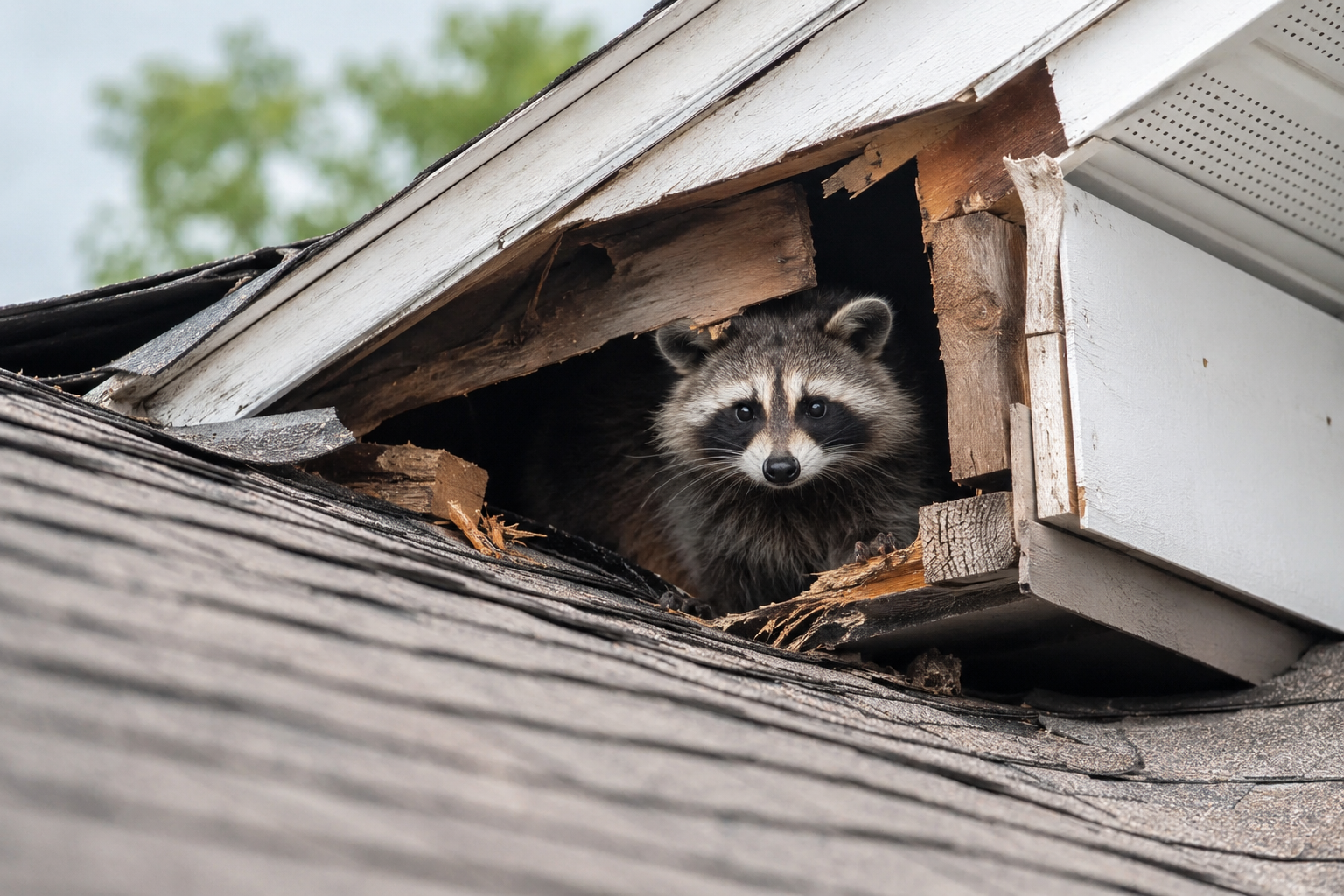
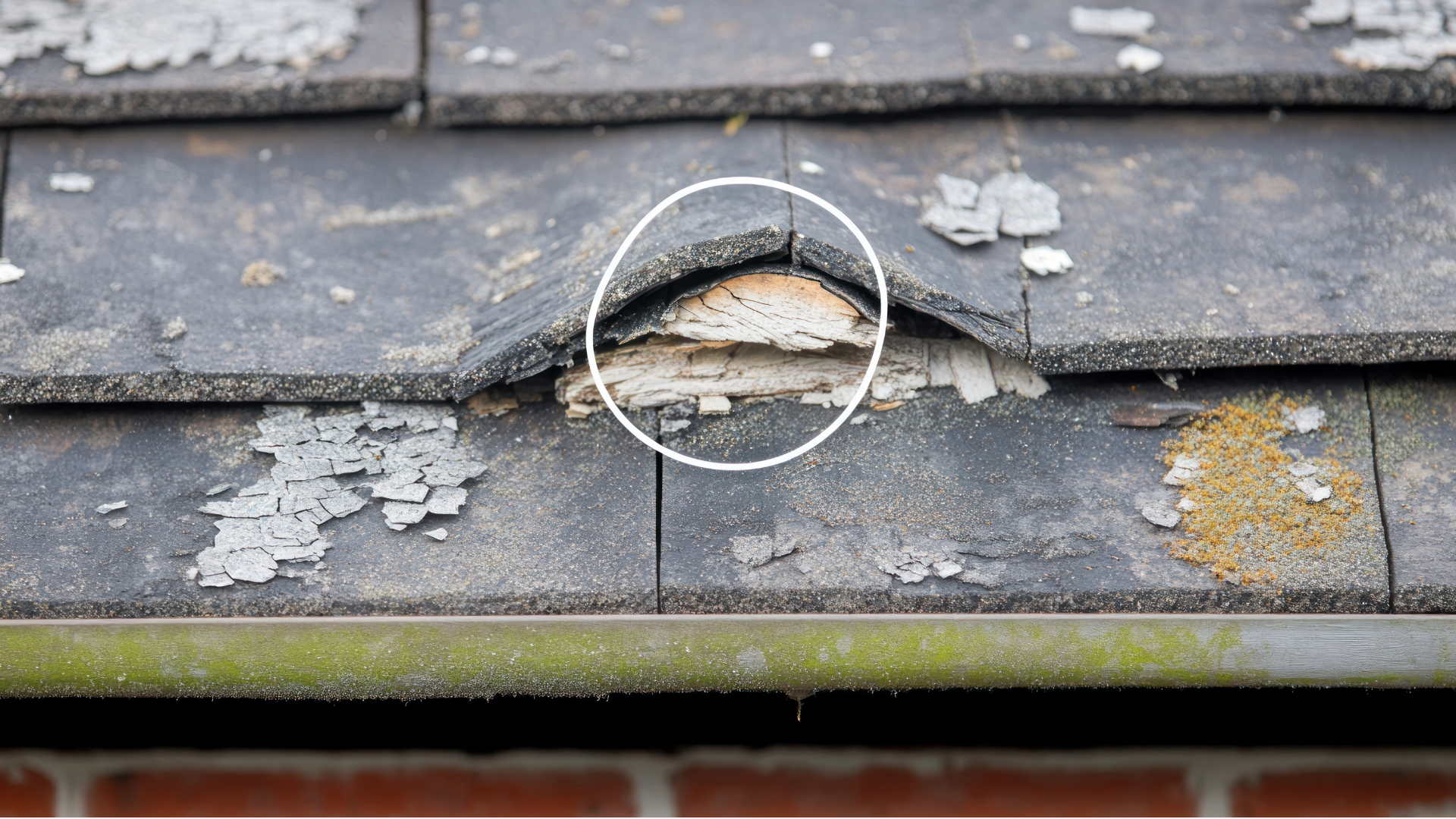
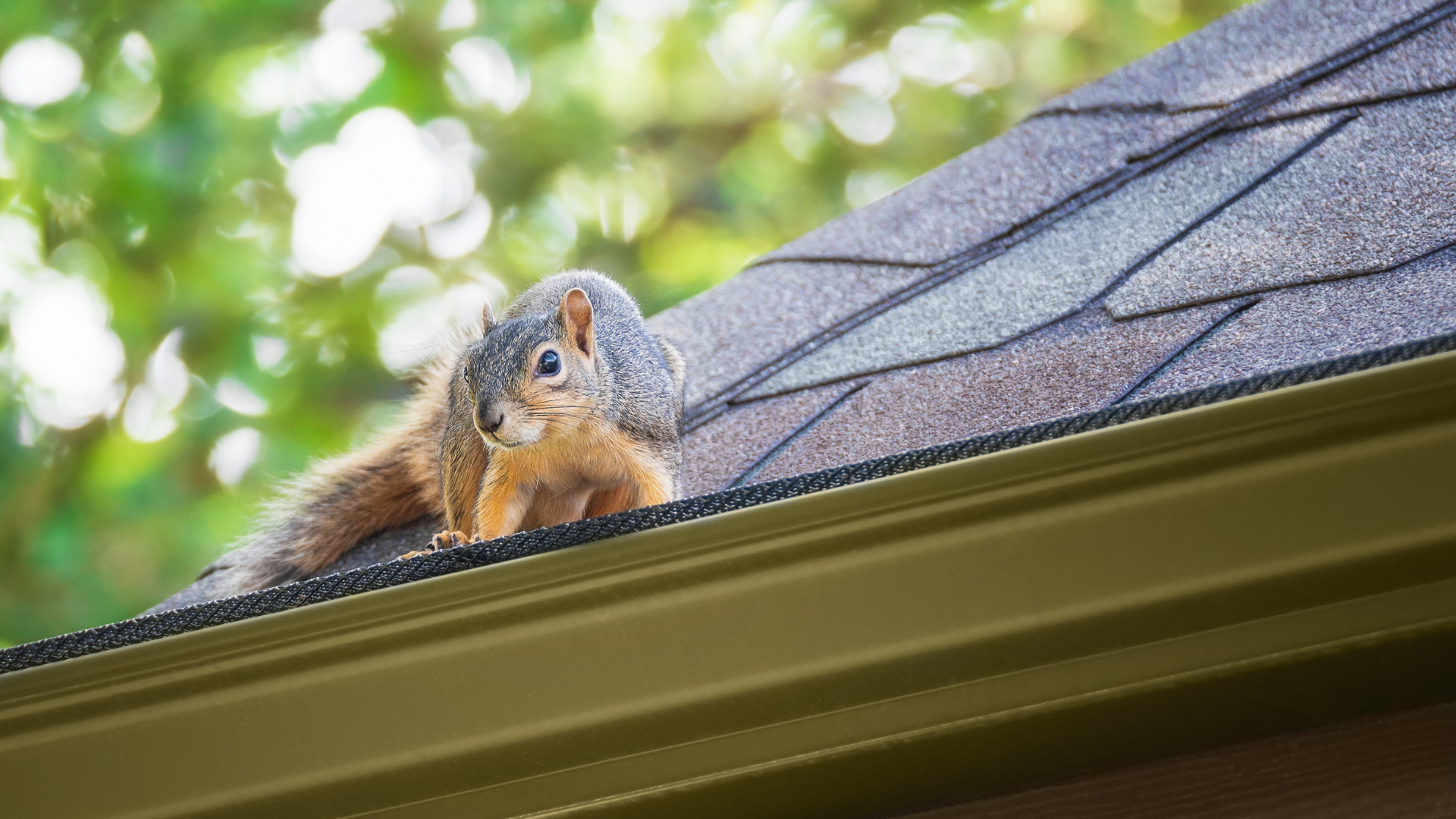
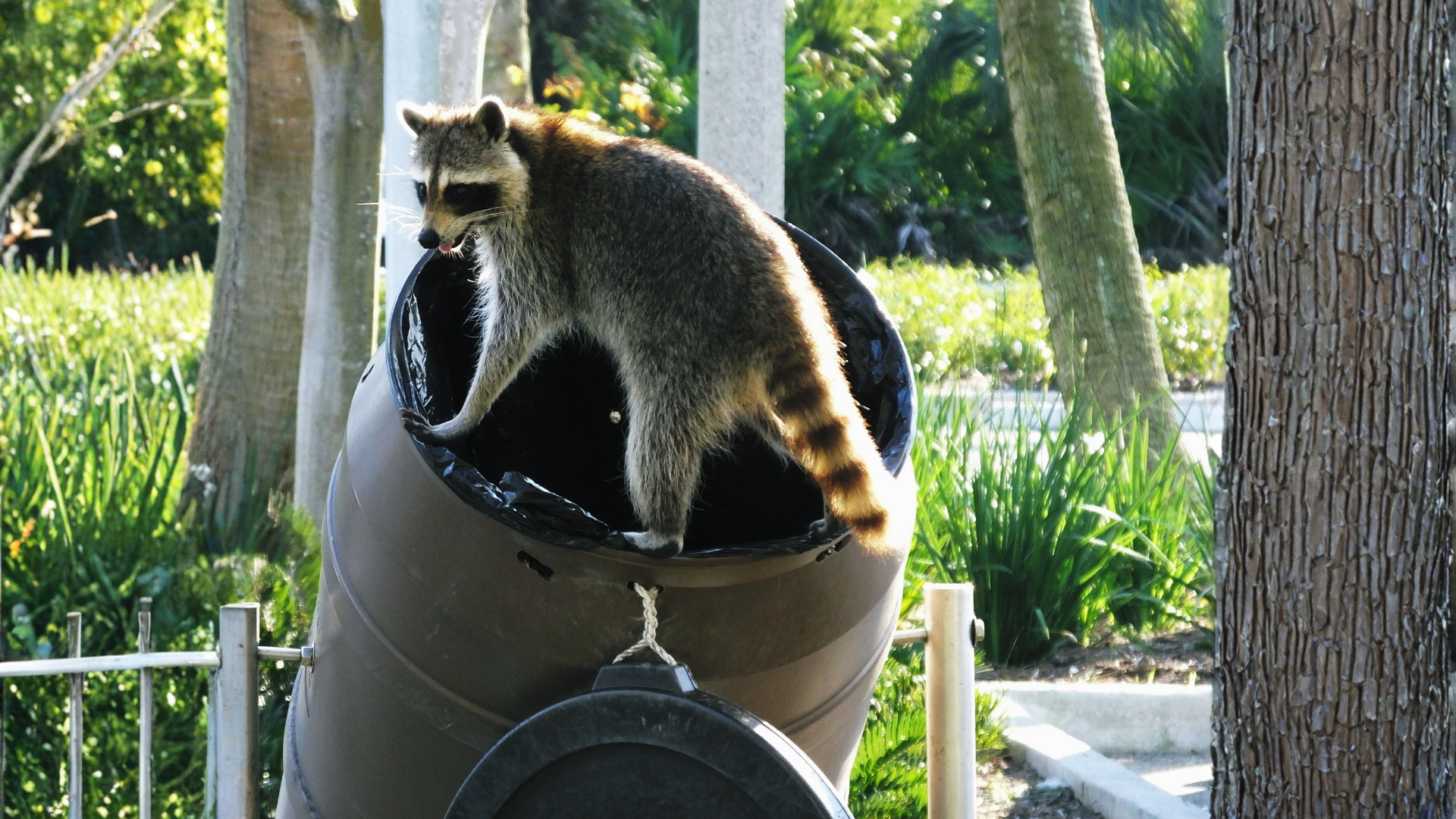
Insulation offers exactly what many wild animals seek. It is warm, soft, and protected from weather and predators. Attics and wall cavities mimic natural shelters, especially during colder months or breeding seasons. Rodents, squirrels, raccoons, and other species follow their instincts and exploit any opening that allows access to these spaces. Even small construction gaps, roofline seams, or vent openings can become entry points once animals begin exploring. They are often drawn by heat plumes escaping through tiny cracks, signaling a stable environment.
Once inside, insulation becomes nesting material. Fiberglass and cellulose are easily pulled apart to create burrows and chambers. Even spray foam can be gnawed or displaced as animals move through it. This physical disturbance compresses or removes the material, which immediately reduces its ability to resist heat transfer. R-value drops because air pockets that once trapped warmth or cool air are destroyed, leaving fewer barriers between indoor and outdoor temperatures.
Animals also create pathways through insulation as they travel. Repeated movement packs material down or pushes it aside, leaving bare spots. These gaps allow outside temperatures to pass directly into living areas. Homeowners often notice uneven temperatures from room to room without realizing that the root cause is hidden above or behind the walls, quietly affecting daily comfort.
Contamination And The Hidden Loss Of Performance
Physical damage is only part of the problem. Wildlife leaves behind urine, droppings, hair, and nesting debris. These contaminants saturate insulation and change how it functions. Moisture from waste causes fibers to clump together, which further reduces thermal resistance. Ammonia from accumulated urine is particularly destructive, chemically breaking down the structure of cellulose and mineral wool. Damp material loses effectiveness far faster than when it's clean and dry, even when the visible damage seems limited.
Odors from contaminated areas can travel through ductwork and wall cavities, affecting indoor air quality. While smell is often what alerts homeowners, the larger issue is that soiled material stops performing as designed. Heat moves more freely through compromised sections, forcing heating and cooling systems to run longer cycles to compensate for the lost efficiency.
Contamination can also attract insects and encourage mold growth. Mold thrives in dark, moist environments, and once it takes hold, it spreads beyond the original area of damage. This expands the affected zone and further degrades the space surrounding the original location. What started as a small nest can turn into a widespread efficiency problem that touches multiple parts of the structure, increasing both repair complexity and energy loss. This creates a cumulative effect where air quality drops alongside thermal performance.
How Reduced R-Value Drives Higher Energy Bills
R-value measures resistance to heat flow. When insulation is intact, it slows the movement of warm air in winter and keeps heat out during summer. Wildlife damage lowers that resistance, which means temperature control becomes less stable throughout the home. These 'cold spots' act as thermal bridges, pulling heat directly through the building envelope. Furnaces and air conditioners have to work harder to maintain set temperatures, responding to constant heat loss or gain through damaged areas.
This increased workload shows up on utility statements. Systems cycle more frequently and run longer, consuming more energy than necessary. In some homes, the change is gradual and easy to miss. In others, bills jump noticeably after a season of animal activity in the attic or walls, leaving homeowners searching for answers that are not immediately visible.
Beyond monthly costs, mechanical systems experience added wear. Components designed for normal run times face extra strain when insulation fails to perform properly. Repairs and early replacement become more likely, adding another layer of expense that many homeowners do not connect back to animal-related damage.
Long-Term Structural And Efficiency Consequences
When insulation is damaged and contaminated, the effects extend beyond energy use. Moisture retention can affect wooden framing and drywall, leading to deterioration that weakens structural elements. Repeated exposure to damp conditions creates an environment where damage spreads more easily and becomes harder to reverse. Shredded insulation can migrate into electrical boxes, creating hidden fire hazards that compromise safety.
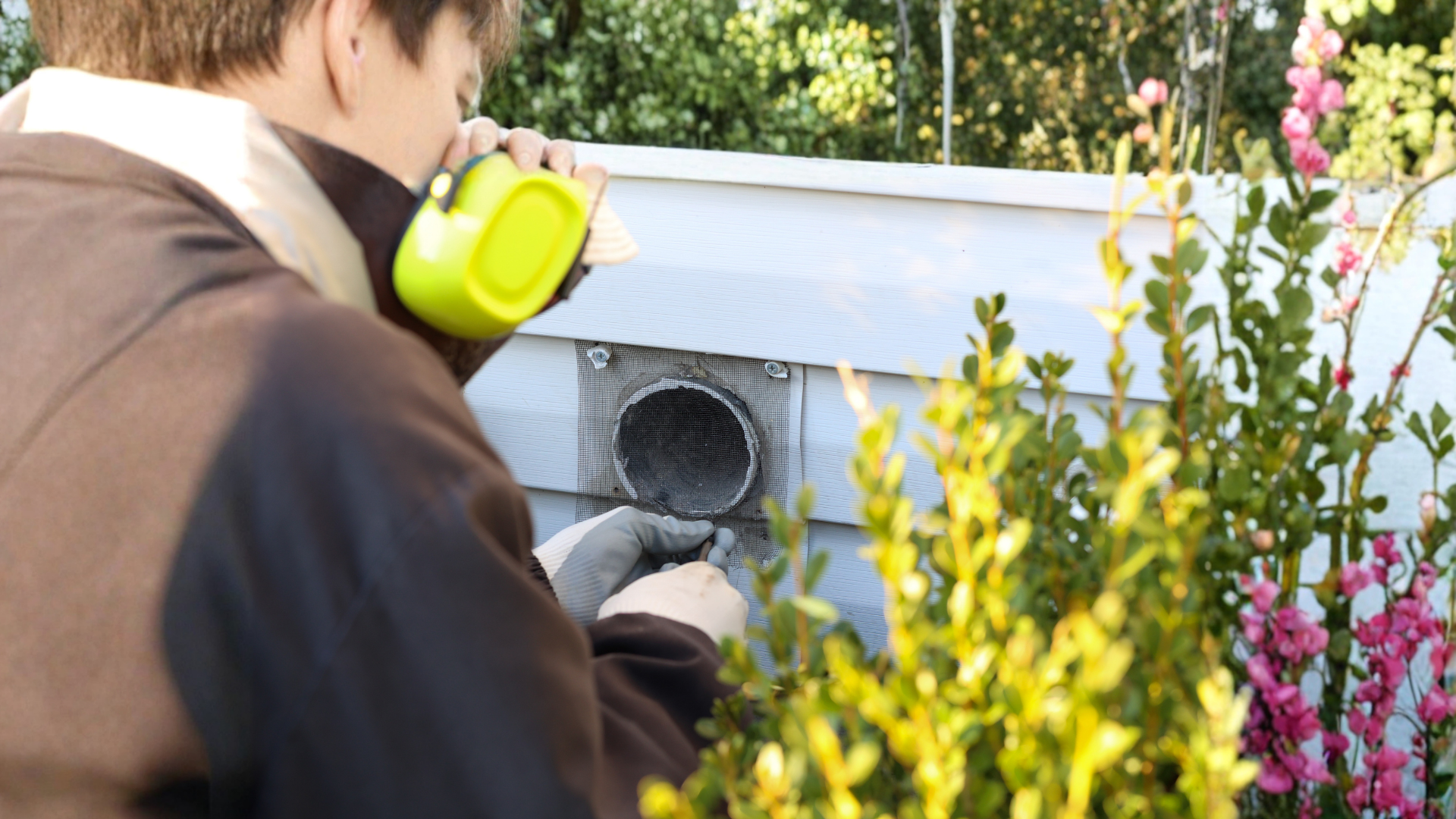
Openings created by gnawing or nesting often expand as animals revisit familiar spaces. Small gaps become entry points for cold air, pests, and moisture. This cycle continues until the area is properly addressed. Effective remediation involves sanitizing the area to remove pheromones that attract future intruders. Simply removing animals without repairing and replacing insulation leaves the door open for ongoing problems that affect both comfort and efficiency.
Restoring energy efficiency requires more than patching visible damage. A thorough assessment identifies where insulation has lost performance and where contamination has spread. Proper removal and replacement bring R-values back to appropriate levels and support balanced indoor temperatures again, helping the home function as it was originally intended.
Wildlife damage to insulation is a quiet but costly issue that affects energy efficiency, comfort, and the overall condition of a home. Animals tear, compress, and soil insulation in ways that lower R-value and force heating and cooling systems to work harder than they should. Addressing the problem fully means removing the source, repairing entry points, and restoring insulation to its intended performance. If you suspect wildlife activity is impacting your home’s efficiency,
contact us today at Critter Detective to schedule a professional evaluation and take the first step toward regaining control over energy costs and indoor comfort.