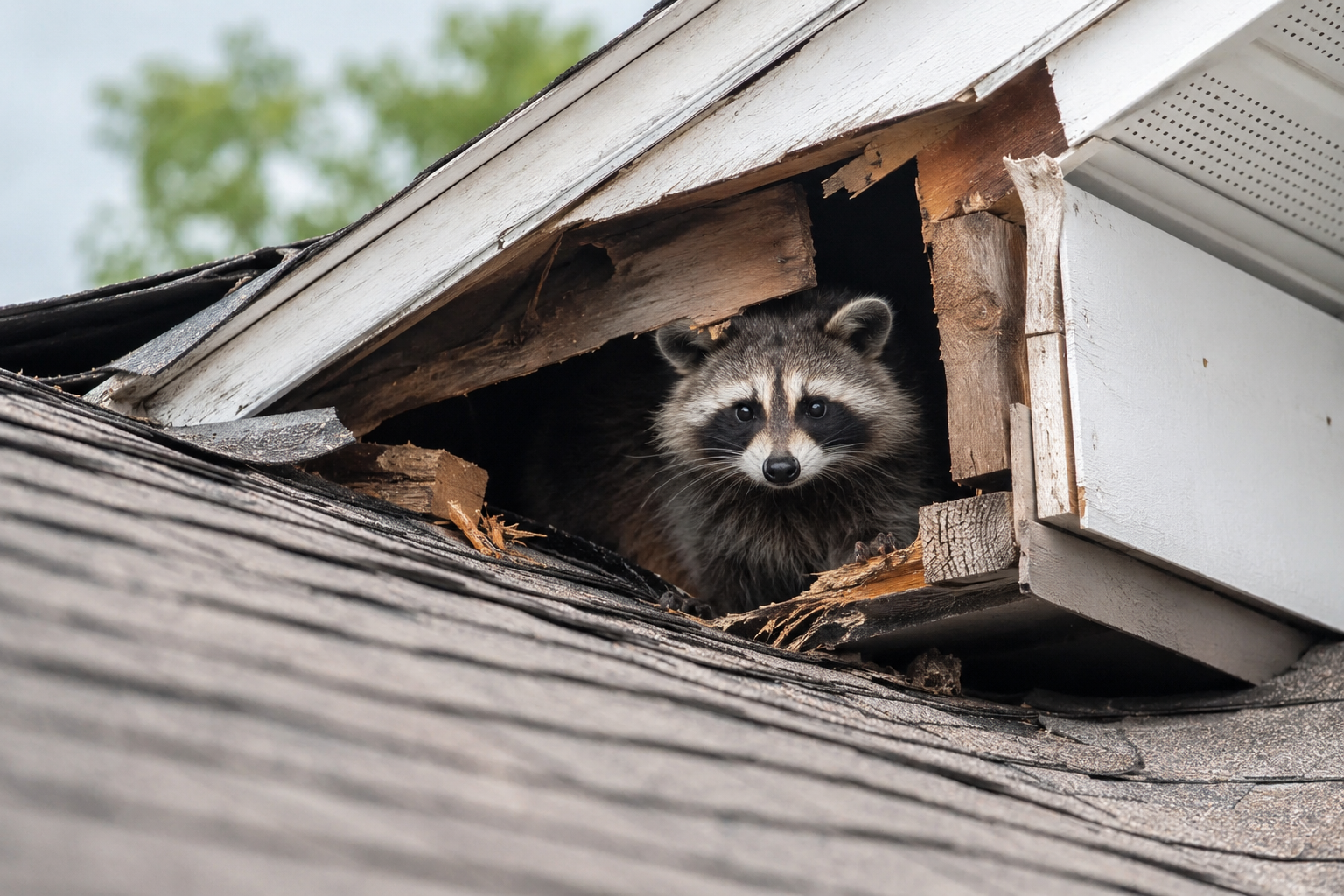
Attics, crawlspaces, chimneys, sheds, and wall voids often provide ideal conditions for nesting and shelter.
Locally operated companies often provide more consistent communication, quicker appointment availability, and strategies tailored to the local area.
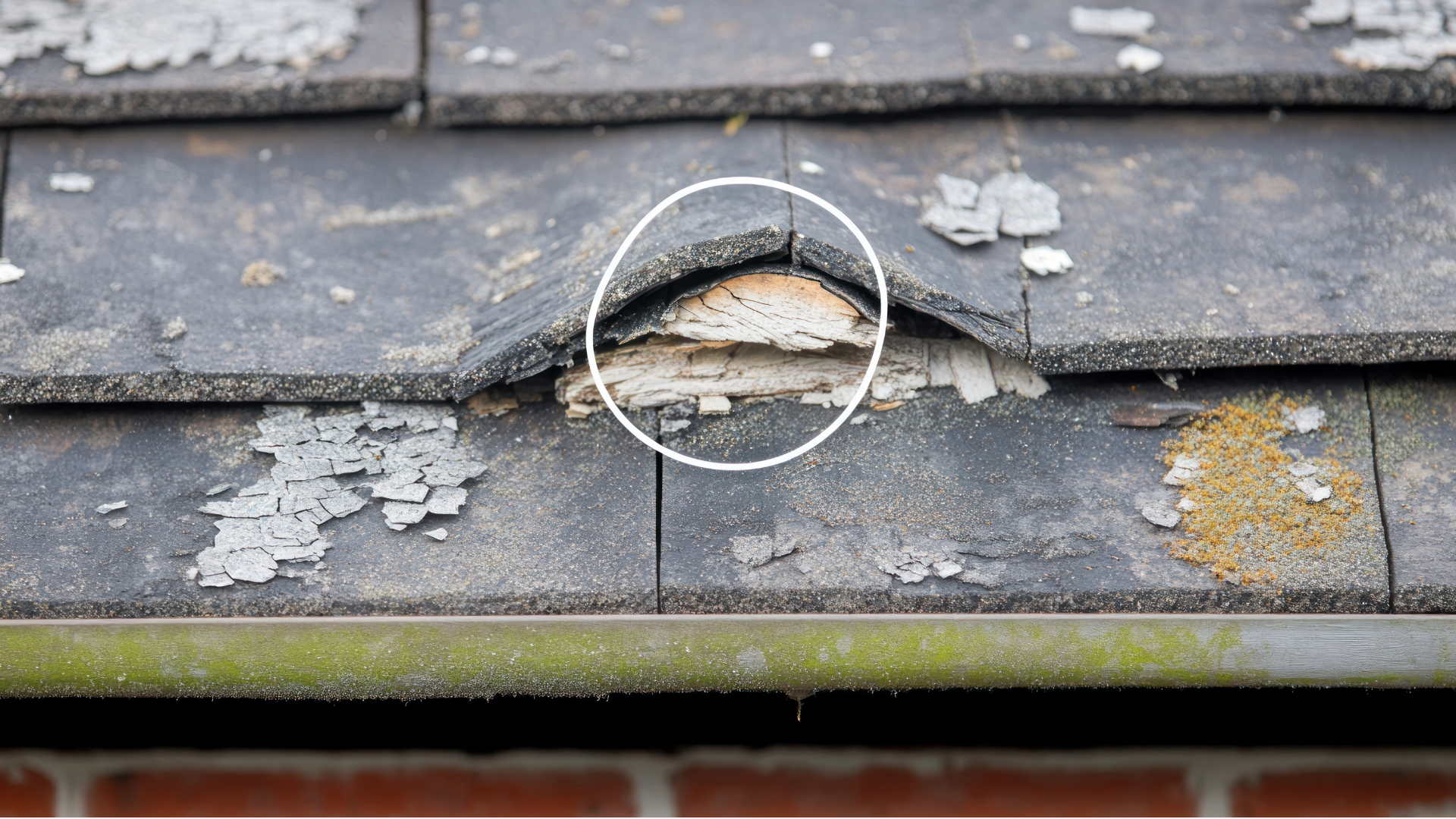
Tiny gaps in elevated and concealed areas allow animals to enter unnoticed, leading to ongoing activity and damage that often goes undetected.
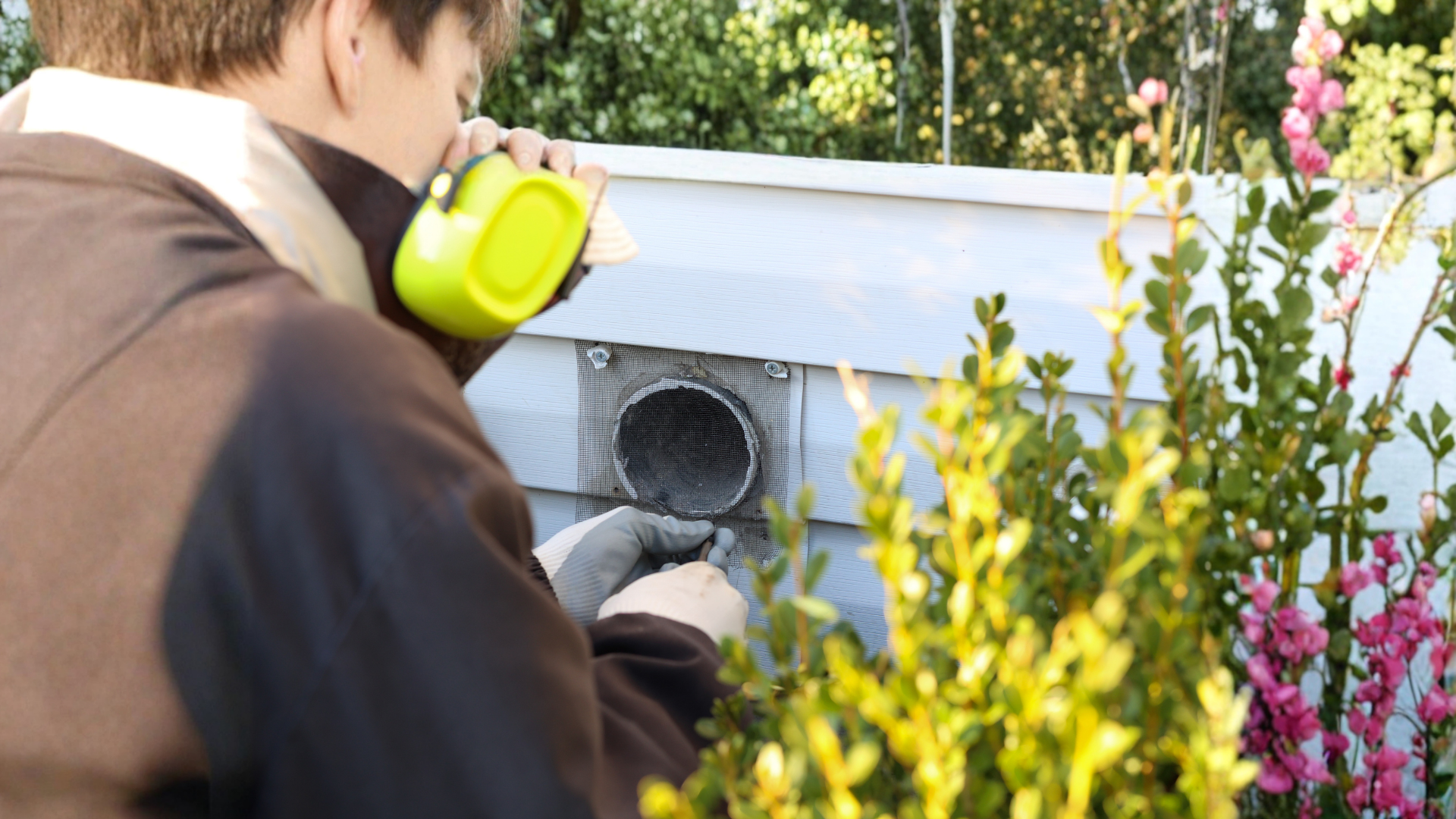
Damaged vent covers and exterior openings around homes often allow birds, rodents, and insects to enter dryer systems.

Chewing, nesting, contamination, and access points create downtime risk, system damage, compliance issues, and costly service interruptions.
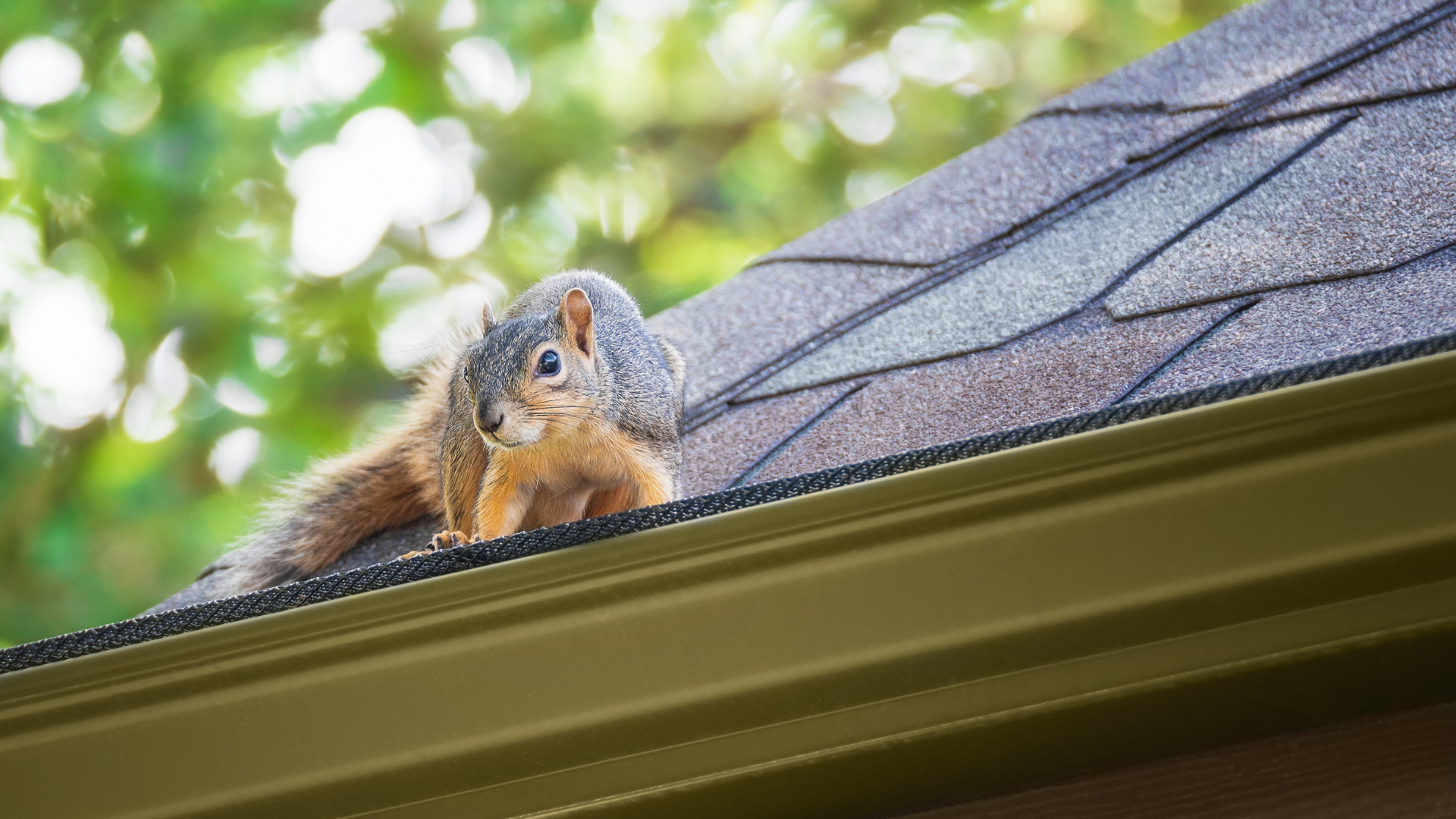
Incomplete exclusion allows animals to return.

Animals tear and contaminate insulation, reducing R-values and raising energy bills.
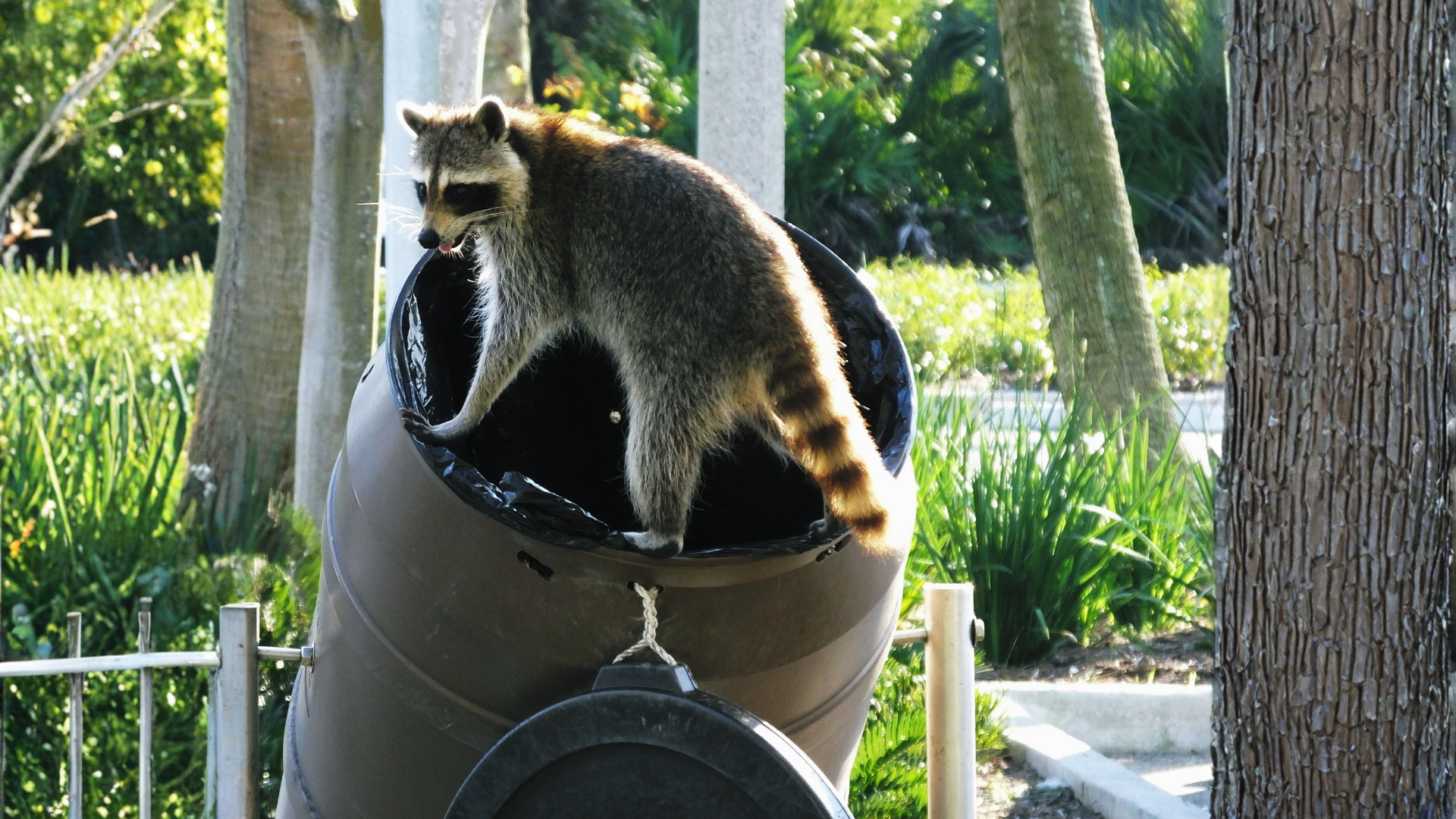
Some species are territorial or habitual and often return to the same shelter site.
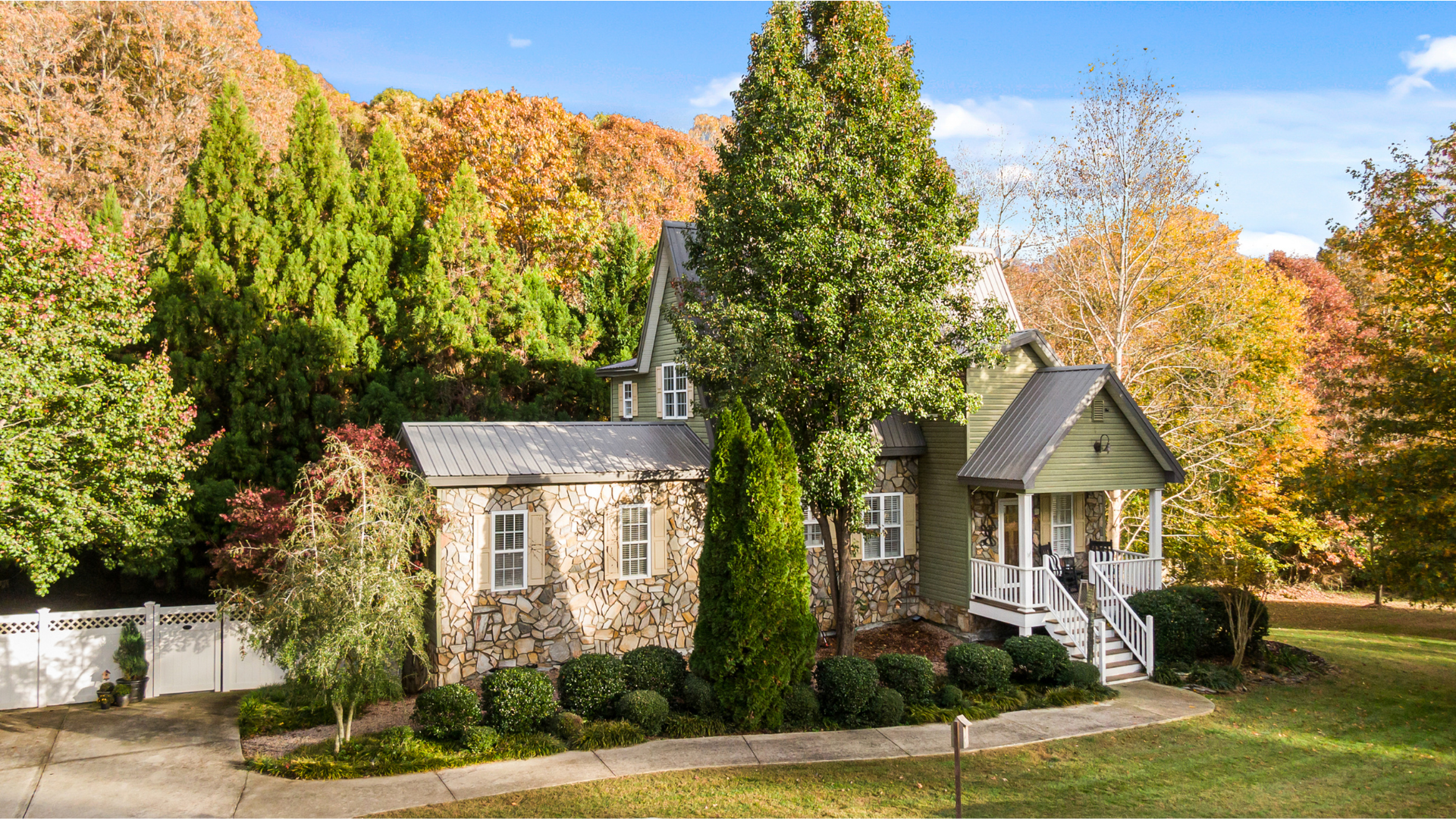
Trees, fences, mulch beds, and retaining walls often function as access ramps for animals.

Undisclosed infestations can delay closings, lower offers, or derail a sale completely.